Neuroscience Study Uses Brain Organoids to Explore Early Human Consciousness
Researchers at the University of California, San Diego, are utilizing lab-grown brain organoids to investigate how human consciousness and perception evolve from childhood to adulthood.
 🧠AI Analysis
Photo: popularmechanics.com
Key points
- UCSD researchers are using brain organoids to study the evolution of human consciousness.
- Lab-grown organoids are cultivated from reprogrammed human cells and exhibit spontaneous electrical activity.
- Scientists are adapting the perturbational complexity index to measure neural responses and potential awareness in tissue samples.
Human consciousness has long been viewed through a philosophical lens, but modern neuroscience is beginning to test these concepts inside laboratory settings. Alysson Muotri, a professor at the University of California, San Diego, has turned to brain organoids—tiny clusters of neural tissue cultivated from stem cells—to explore how the brain's capacity for awareness develops and changes over time.
The creation of these organoids starts with reprogrammed human cells that are guided into becoming neurons. While these lab-grown tissue clumps lack the complex anatomy of a full human brain, they generate spontaneous electrical rhythms. Previous milestones include organoids matching electrical patterns found in premature infants and demonstrating early cellular mechanisms associated with learning and memory following electrical stimulation.
To measure the potential for consciousness within these samples, Muotri's team adapted the perturbational complexity index, a method typically used on human subjects to gauge wakefulness versus sleep. By observing how neural networks within the organoids respond to disruptions, researchers hope to understand whether the structured learning of the adult mind fundamentally alters our raw perception of reality compared to the uninhibited awareness of a child.
Source popularmechanics.com — popularmechanics.com/science/a74414419/you-were-more-conscious-as-a… ↗
Read next
 🛍️Sales Events
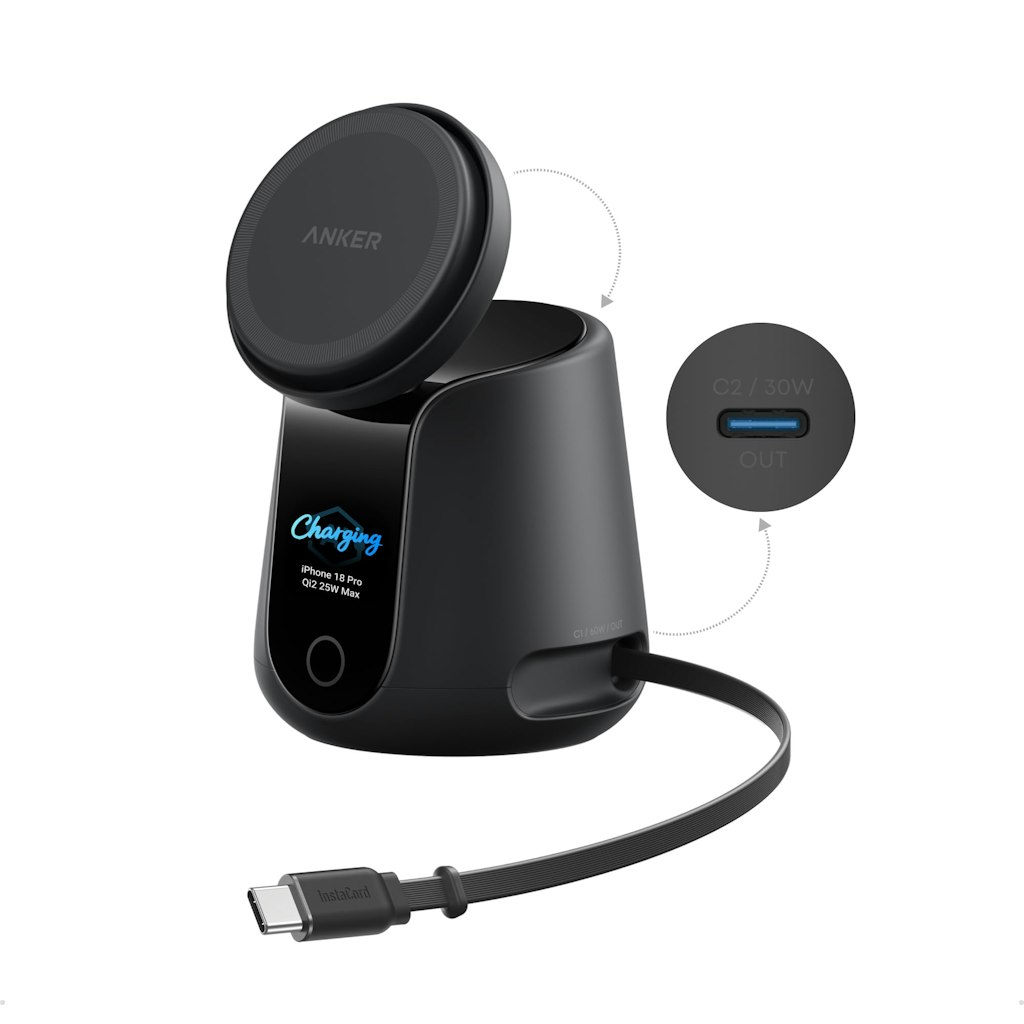
Anker MagStand Qi2 Wireless Charger Hits $90 All-Time Low in Black Friday Sales
Anker's MagStand 25W wireless charging station drops to $90 at Amazon, matching its lowest price ever, while a wave of Black Friday deals covers power banks, travel charg…
 🛍️Sales Events
Black Friday Laptop Deals: Lenovo, Best Buy, and Walmart Cut Prices on ThinkBook, Yoga, and Gaming Models
Major retailers have launched Black Friday doorbuster sales on laptops, with Lenovo's ThinkBook 14x dropping to $699 and Best Buy offering a Yoga 7i 2-in-1 for $649.99.
 🧭Buying Guides
Essential Gear for Frequent Travelers: A Gift Guide
Selecting the right travel accessories can significantly reduce the stress of trip planning and packing. This guide highlights functional items designed to streamline the…
 🧭Buying Guides
Essential Guide to Choosing an EPA-Certified Wood Stove
Upgrading to a modern, EPA-certified wood stove can improve home heating efficiency while reducing particulate pollution compared to older, uncertified models.
 🏠Home & Kitchen
Art Leon Mid-Century Modern Swivel Chair Drops to $144
The Art Leon swivel office chair is currently available for $144, offering a blend of home-friendly aesthetics and functional utility.
 👟Fashion & Beauty
Black Friday Fashion and Travel Savings: J.Crew Factory, Nordstrom Rack, and More
Retailers are rolling out significant pre-Black Friday discounts on apparel and travel gear, featuring clearance markdowns and promotional codes for new customers.