EPA’s Airborne Chemical Detection Program Faces Operational Decline
The EPA's specialized chemical-detection aircraft, known as ASPECT, has largely ceased emergency operations, raising concerns about the agency's ability to monitor toxic threats.
 🧠AI Analysis
Photo: wired.com
Key points
- The EPA's chemical-detection plane has responded to only seven emergencies since 2021.
- Technical limitations have increased data processing time from minutes to approximately one week.
- Former program experts claim that management failures are more critical than the aging hardware.
The Environmental Protection Agency’s airborne chemical detection program, once a cornerstone of emergency response, has seen a drastic reduction in activity. The Cessna aircraft, designed to provide real-time data on hazardous chemicals, radiation, and oil spills, has remained grounded during several major industrial disasters in recent years, including refinery fires and chemical plant explosions.
Originally developed following the September 11 attacks, the ASPECT program provided critical aerial monitoring for two decades, assisting in responses to events like Hurricane Katrina and the Deepwater Horizon oil spill. However, an internal audit from the EPA inspector general revealed that the aircraft’s analytical capabilities have slowed significantly. Data that once took minutes to process now requires roughly a week of manual analysis, rendering it ineffective for immediate emergency decision-making.
While the EPA has attributed these failures to aging sensors and expects replacements by 2027, former program scientists argue that the issue is rooted in a loss of institutional expertise and operational initiative. Critics of the current management warn that the program has been allowed to deteriorate, potentially leaving communities vulnerable during future environmental catastrophes.
Source wired.com — wired.com/story/epa-chemical-detecting-plane-isnt-doing-job/ ↗
Read next
 🛍️Sales Events
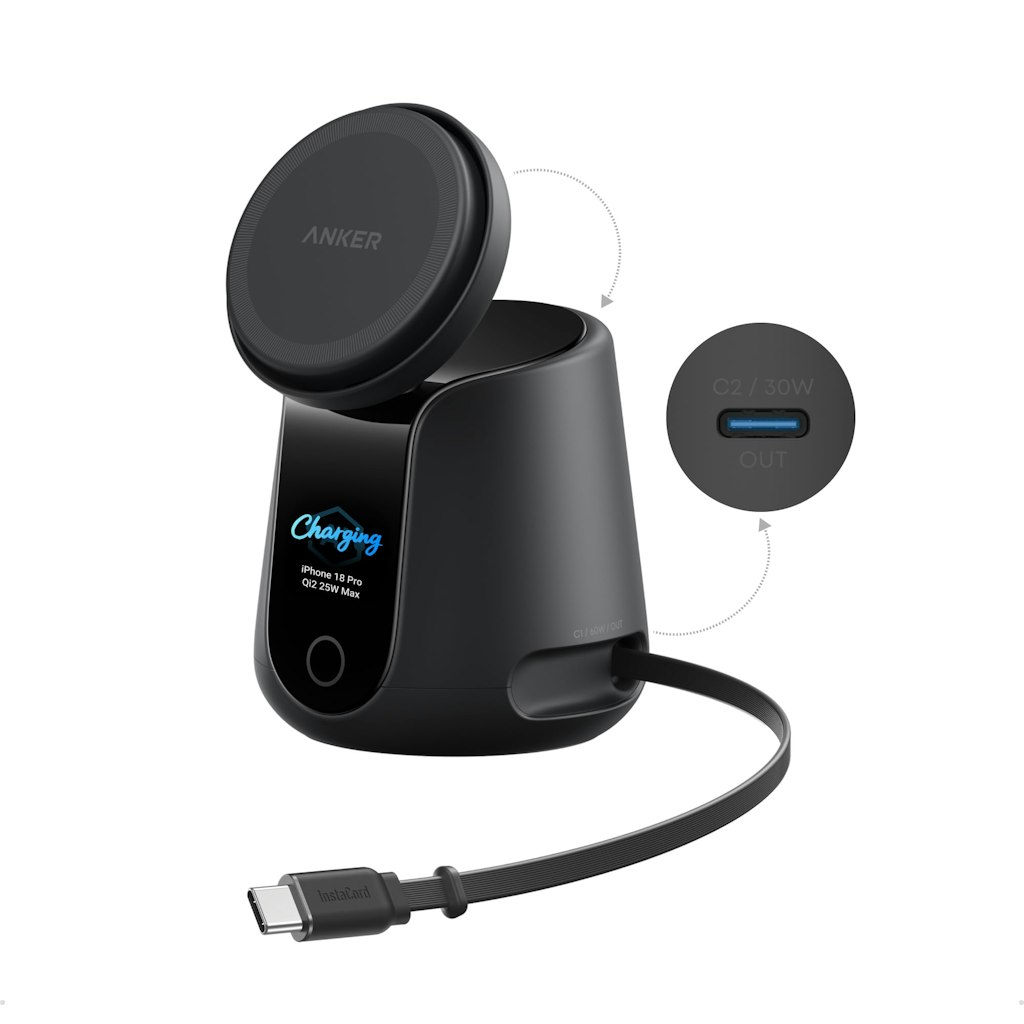
Anker MagStand Qi2 Wireless Charger Hits $90 All-Time Low in Black Friday Sales
Anker's MagStand 25W wireless charging station drops to $90 at Amazon, matching its lowest price ever, while a wave of Black Friday deals covers power banks, travel charg…
 🛍️Sales Events
Black Friday Laptop Deals: Lenovo, Best Buy, and Walmart Cut Prices on ThinkBook, Yoga, and Gaming Models
Major retailers have launched Black Friday doorbuster sales on laptops, with Lenovo's ThinkBook 14x dropping to $699 and Best Buy offering a Yoga 7i 2-in-1 for $649.99.
 🧭Buying Guides
Essential Gear for Frequent Travelers: A Gift Guide
Selecting the right travel accessories can significantly reduce the stress of trip planning and packing. This guide highlights functional items designed to streamline the…
 🧭Buying Guides
Essential Guide to Choosing an EPA-Certified Wood Stove
Upgrading to a modern, EPA-certified wood stove can improve home heating efficiency while reducing particulate pollution compared to older, uncertified models.
 🏠Home & Kitchen
Art Leon Mid-Century Modern Swivel Chair Drops to $144
The Art Leon swivel office chair is currently available for $144, offering a blend of home-friendly aesthetics and functional utility.
 👟Fashion & Beauty
Black Friday Fashion and Travel Savings: J.Crew Factory, Nordstrom Rack, and More
Retailers are rolling out significant pre-Black Friday discounts on apparel and travel gear, featuring clearance markdowns and promotional codes for new customers.