The Pentagon's Resiliency Plan Faces Critical Water and Energy Bottlenecks
The Department of Defense aims to make military installations self-sufficient for up to three months during major blackouts, but experts warn that off-site water dependencies and unproven microreactors could undermine the strategy.
 🧠AI Analysis
Photo: popularmechanics.com
Key points
- The Pentagon's FORTRESS America plan seeks 30 to 90 days of power and three months of supplies for bases.
- Off-site water utility dependence and fuel delivery hurdles remain major logistical vulnerabilities.
- The Army is investing up to $2.2 billion in nuclear microreactors to secure long-term energy independence.
The FORTRESS America Initiative
Defense Secretary Pete Hegseth announced the FORTRESS America initiative in September, outlining a strategy to help military installations withstand sustained disruptions to civilian infrastructure. According to Pentagon installations official Dale Marks, the program targets power resiliency ranging from 30 to 90 days depending on the facility, alongside a three-month stockpile of critical supplies. While generators could keep interior operations powered, experts highlight that military installations frequently rely on municipal utilities located outside their perimeter fences.
Former assistant secretary of defense Paul Stockton identifies water access as the primary vulnerability in an extended grid failure. Beyond standard consumption, bases require continuous water flow for essential functions such as fire suppression, sanitation, and cooling critical computer systems. Without external utility support, installations facing long-term outages could experience severe operational disruptions even if internal backup generators function correctly. Furthermore, transport-focused bases face external hurdles when attempting to move troops and equipment through disabled civilian regions to reach seaports.
The Microreactor Strategy and Its Challenges
To address fuel supply vulnerabilities tied to continuous diesel and natural gas deliveries, the U.S. Army announced an investment of up to $2.2 billion in August to develop microreactors across five bases, with an initial goal set for September 2028. Brendan Kochunas, an associate professor at the University of Michigan, notes that microreactors could drastically reduce fuel replenishment needs once operational. However, these systems remain largely in development, with companies like Antares Nuclear aiming for electricity demonstration milestones by 2027.
Kochunas cautions that uninterrupted performance under full-load conditions remains the ultimate test for these reactors. A single equipment failure, such as a broken pump or sensor, could still necessitate external technical intervention—precisely the kind of outside help that a widespread regional blackout would disrupt.
Source popularmechanics.com — popularmechanics.com/military/a74440899/day-30-of-a-blackout-milita… ↗
Read next
 🛍️Sales Events
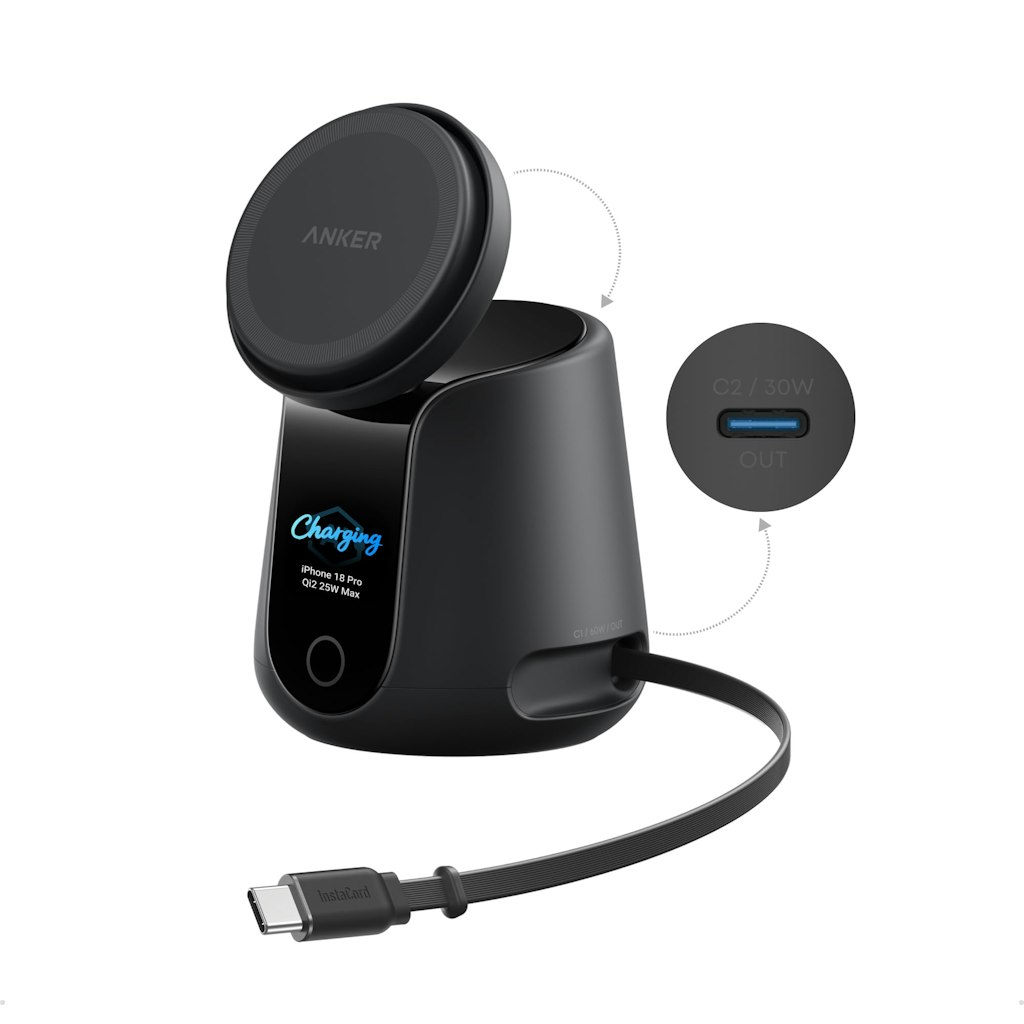
Anker MagStand Qi2 Wireless Charger Hits $90 All-Time Low in Black Friday Sales
Anker's MagStand 25W wireless charging station drops to $90 at Amazon, matching its lowest price ever, while a wave of Black Friday deals covers power banks, travel charg…
 🛍️Sales Events
Black Friday Laptop Deals: Lenovo, Best Buy, and Walmart Cut Prices on ThinkBook, Yoga, and Gaming Models
Major retailers have launched Black Friday doorbuster sales on laptops, with Lenovo's ThinkBook 14x dropping to $699 and Best Buy offering a Yoga 7i 2-in-1 for $649.99.
 🧭Buying Guides
Essential Gear for Frequent Travelers: A Gift Guide
Selecting the right travel accessories can significantly reduce the stress of trip planning and packing. This guide highlights functional items designed to streamline the…
 🧭Buying Guides
Essential Guide to Choosing an EPA-Certified Wood Stove
Upgrading to a modern, EPA-certified wood stove can improve home heating efficiency while reducing particulate pollution compared to older, uncertified models.
 🏠Home & Kitchen
Art Leon Mid-Century Modern Swivel Chair Drops to $144
The Art Leon swivel office chair is currently available for $144, offering a blend of home-friendly aesthetics and functional utility.
 👟Fashion & Beauty
Black Friday Fashion and Travel Savings: J.Crew Factory, Nordstrom Rack, and More
Retailers are rolling out significant pre-Black Friday discounts on apparel and travel gear, featuring clearance markdowns and promotional codes for new customers.