New Study Simulates Orbital Nuclear Blast and Predicts Devastating Satellite Loss
Recent research from US physicists models the catastrophic impact of a one-megaton nuclear explosion in low Earth orbit, predicting the failure of 98% of active satellites within a week.
 🧠AI Analysis
Photo: gizmodo.com
Key points
- Simulation models a one-megaton nuclear blast at 311 miles altitude
- 98% of satellites disabled within one week primarily due to trapped radiation
- Debris buildup expected to cause roughly 20 collisions within two years
A new preprint research paper from physicists at the University of Wisconsin-Madison and Princeton University investigates the potential consequences of a one-megaton nuclear detonation occurring 311 miles above the South Atlantic. Utilizing collision models, debris tracking, and calculations regarding radioactive fission products, the research team simulated how such an event would impact the roughly 17,776 satellites currently operating in low Earth orbit.
According to the computer model, roughly 98% of all satellites would be disabled within just one week following the blast. The primary driver of destruction is not the initial X-ray burst, but rather the high-energy electrons released by fission products that become trapped in Earth's magnetic field, creating a lingering artificial radiation belt similar to the effects observed after the 1962 Starfish Prime test.
The study notes that even if satellite radiation tolerance were tripled, roughly 97% of spacecraft would still fail within two weeks. Furthermore, the loss of maneuverability across disabled systems would severely increase orbital hazards, with researchers projecting around 20 major collisions within two years as uncontrolled debris accumulates in the upper atmosphere.
Source gizmodo.com — gizmodo.com/scientists-simulated-a-nuclear-blast-in-orbit-and-nearly-ev… ↗
Read next
 🛍️Sales Events
Anker MagStand Qi2 Wireless Charger Hits $90 All-Time Low in Black Friday Sales
Anker's MagStand 25W wireless charging station drops to $90 at Amazon, matching its lowest price ever, while a wave of Black Friday deals covers power banks, travel charg…
 🛍️Sales Events
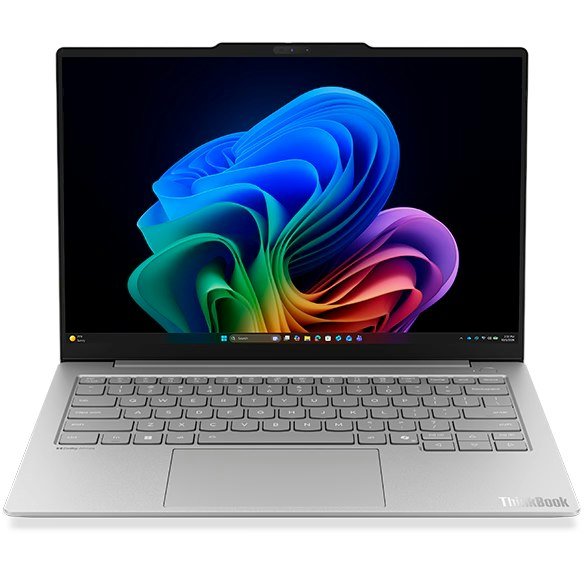
Black Friday Laptop Deals: Lenovo, Best Buy, and Walmart Cut Prices on ThinkBook, Yoga, and Gaming Models
Major retailers have launched Black Friday doorbuster sales on laptops, with Lenovo's ThinkBook 14x dropping to $699 and Best Buy offering a Yoga 7i 2-in-1 for $649.99.
 🧭Buying Guides
Essential Gear for Frequent Travelers: A Gift Guide
Selecting the right travel accessories can significantly reduce the stress of trip planning and packing. This guide highlights functional items designed to streamline the…
 🧭Buying Guides
Essential Guide to Choosing an EPA-Certified Wood Stove
Upgrading to a modern, EPA-certified wood stove can improve home heating efficiency while reducing particulate pollution compared to older, uncertified models.
 🏠Home & Kitchen
Art Leon Mid-Century Modern Swivel Chair Drops to $144
The Art Leon swivel office chair is currently available for $144, offering a blend of home-friendly aesthetics and functional utility.
 👟Fashion & Beauty
Black Friday Fashion and Travel Savings: J.Crew Factory, Nordstrom Rack, and More
Retailers are rolling out significant pre-Black Friday discounts on apparel and travel gear, featuring clearance markdowns and promotional codes for new customers.