The Evolution of Charging: From Proprietary Pins to Universal USB-C
A retrospective on the fragmented era of mobile charging, from Apple’s 30-pin connector to Motorola’s 17-pin CE Bus, highlighting the journey toward today's universal USB-C standard.
 🧠AI Analysis
Photo: engadget.com
Key points
- Motorola's 17-pin CE Bus was an early all-in-one solution for power, data, and audio.
- Apple's 30-pin connector created a massive accessory market before being phased out in 2012.
- The HTC Dream's ExtUSB provided early backward compatibility with standard Mini-USB cables.
Before the industry-wide adoption of USB-C, mobile manufacturers relied on a chaotic array of proprietary connectors. These unique ports, while innovative at the time, often led to significant e-waste as consumers were forced to replace cables with every device change. Today, the universal standard mandated by the EU offers high-speed data and power delivery that early 2000s technology could only approximate.
Legacy Ports: Motorola and Nokia
In 2000, Motorola introduced the 17-pin CE Bus connector on models like the V60 and the iTunes-compatible ROKR E1. This massive port managed power, data, and audio simultaneously but was eventually replaced by the thinner Mini-USB to accommodate slimmer phone designs. Similarly, Nokia utilized the 14-pin Pop-Port starting in 2002. While it supported accessories for the Nokia 7210, it was notoriously insecure, with plastic clips that wore down over time, often requiring a separate 2.0 mm barrel connector for actual charging.
Apple’s 30-Pin and the Rise of Android
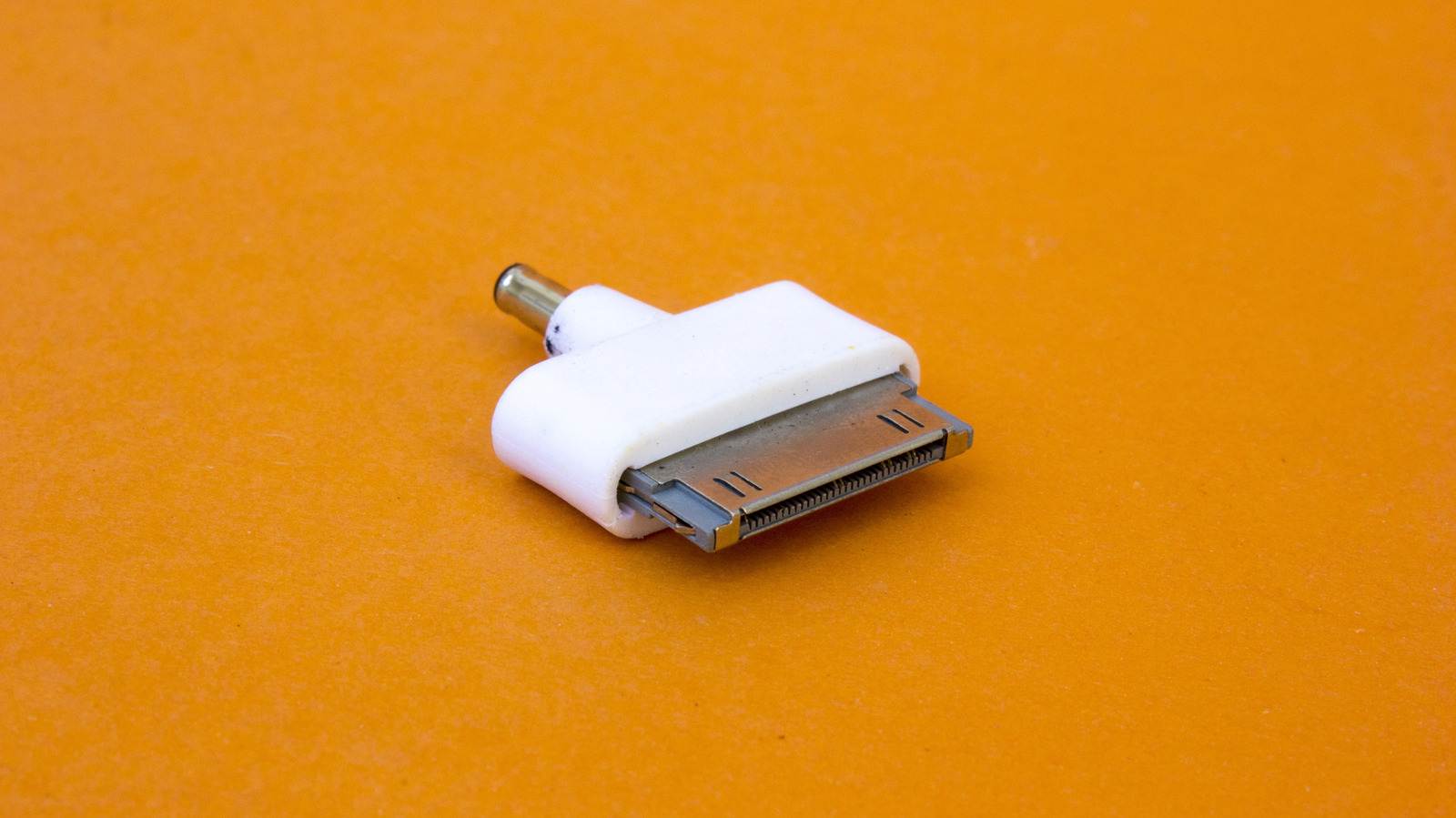
Apple’s iconic 30-pin connector debuted in 2003 with the third-generation iPod, later becoming the standard for the original iPhone and iPad. It supported FireWire and spawned a massive ecosystem of accessories, such as the Bose SoundDock, before being replaced by the 8-pin Lightning connector in 2012. Meanwhile, the first Android phone, the HTC Dream, used the 11-pin ExtUSB. This port was a hybrid that remained compatible with standard Mini-USB cables, offering a rare bridge between proprietary and open standards before the industry moved toward Micro-USB.
Sony Ericsson’s All-in-One Solution
The FastPort, found on the 2005 Sony Ericsson K750i, attempted to consolidate audio, data, and power into a single 12-pin interface. However, its reliance on fragile plastic hooks made it prone to failure; if a hook broke, the plug would no longer stay in place. By 2010, the industry began transitioning to the Micro-USB and 3.5 mm jack combination, setting the stage for the modern USB-C era now found in the iPhone 15 and modern Android flagships.
Before you buy: When purchasing legacy tech or retro devices, ensure you have the specific proprietary cables or adapters required, as these ports are no longer supported by modern universal chargers.
Source engadget.com — engadget.com/2315473/old-school-charging-ports-phones-used-before-u… ↗
Read next
 🛍️Sales Events
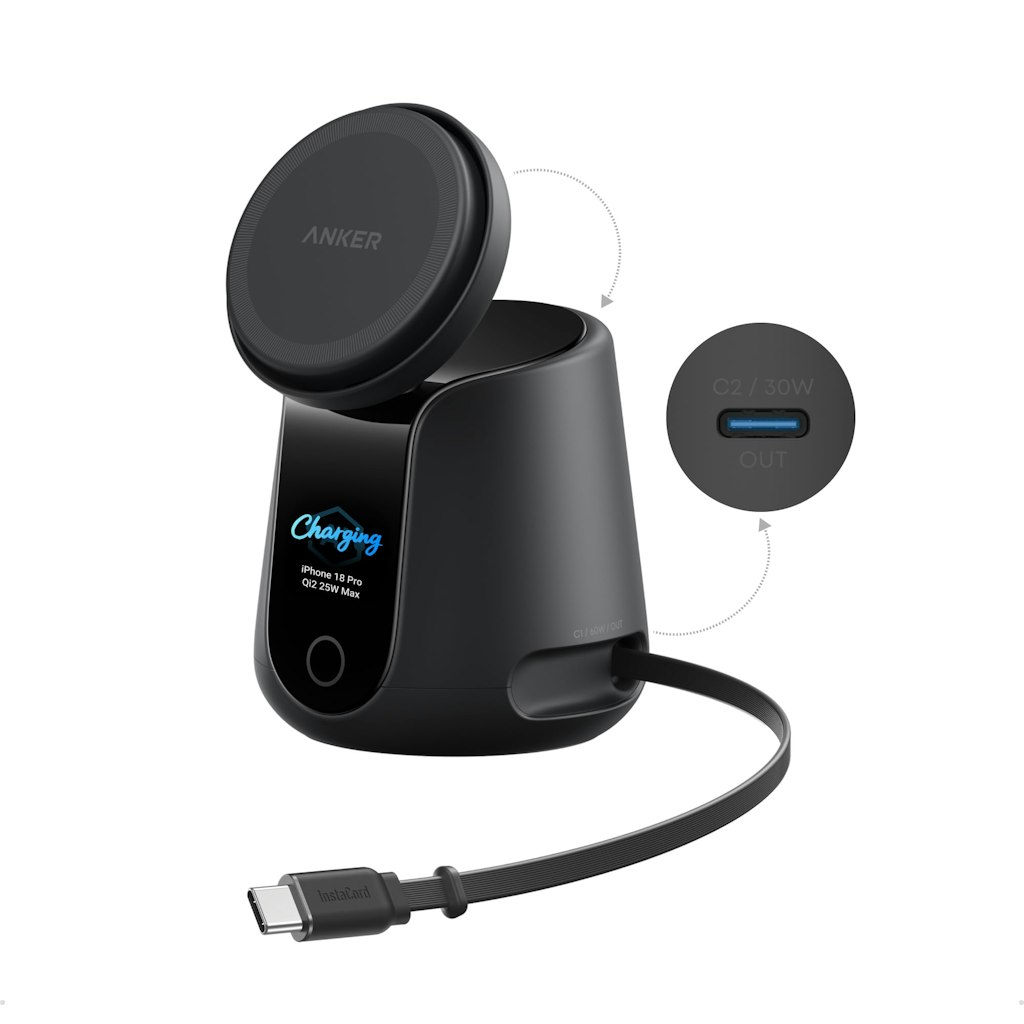
Anker MagStand Qi2 Wireless Charger Hits $90 All-Time Low in Black Friday Sales
Anker's MagStand 25W wireless charging station drops to $90 at Amazon, matching its lowest price ever, while a wave of Black Friday deals covers power banks, travel charg…
 🛍️Sales Events
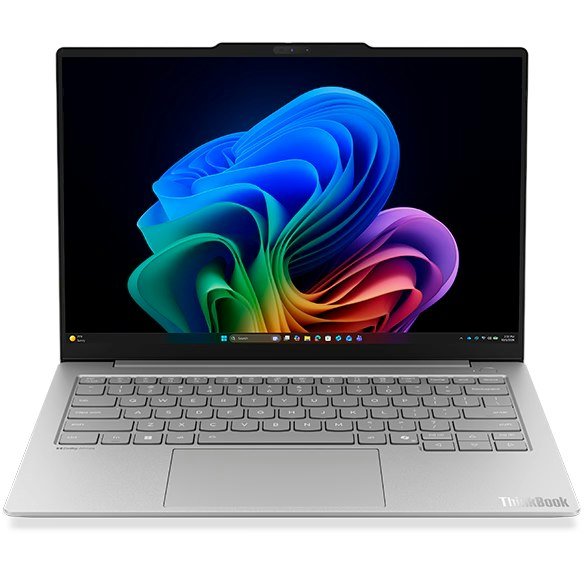
Black Friday Laptop Deals: Lenovo, Best Buy, and Walmart Cut Prices on ThinkBook, Yoga, and Gaming Models
Major retailers have launched Black Friday doorbuster sales on laptops, with Lenovo's ThinkBook 14x dropping to $699 and Best Buy offering a Yoga 7i 2-in-1 for $649.99.
 🧭Buying Guides
Essential Gear for Frequent Travelers: A Gift Guide
Selecting the right travel accessories can significantly reduce the stress of trip planning and packing. This guide highlights functional items designed to streamline the…
 🧭Buying Guides
Essential Guide to Choosing an EPA-Certified Wood Stove
Upgrading to a modern, EPA-certified wood stove can improve home heating efficiency while reducing particulate pollution compared to older, uncertified models.
 🏠Home & Kitchen
Art Leon Mid-Century Modern Swivel Chair Drops to $144
The Art Leon swivel office chair is currently available for $144, offering a blend of home-friendly aesthetics and functional utility.
 👟Fashion & Beauty
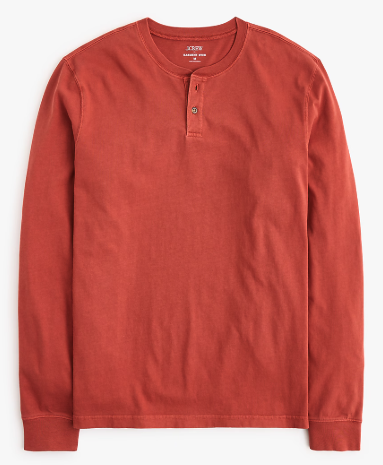
Black Friday Fashion and Travel Savings: J.Crew Factory, Nordstrom Rack, and More
Retailers are rolling out significant pre-Black Friday discounts on apparel and travel gear, featuring clearance markdowns and promotional codes for new customers.