US Tightens Restrictions on AI Chip Exports and Remote Access
The Trump administration has introduced stricter licensing requirements for overseas data centers providing AI computing power to China. These measures aim to close loopholes involving remote access and chip smuggling.
 🧠AI Analysis
Photo: wired.com
Key points
- New licensing requirements for overseas data centers serving Chinese clients.
- Increased scrutiny on chip shipments to Singapore and Malaysia to combat smuggling.
- Efforts to close remote access loopholes for advanced US AI hardware.
- Ongoing challenges in enforcing export controls with limited agency resources.
The Trump administration has announced new, more stringent regulations aimed at curbing China's access to advanced American AI chips. Under the updated policy, overseas data centers that provide significant computing power to Chinese firms must now obtain special government licenses. This move specifically targets the practice of remote access, which previously allowed companies like Alibaba and ByteDance to utilize high-end Nvidia hardware hosted in foreign data centers.
In addition to these restrictions, the White House has expanded oversight on chip shipments to five countries, including Singapore and Malaysia. US officials have identified these regions as potential hubs for the illicit smuggling of semiconductors. These measures follow reports of significant inventory discrepancies, such as the estimated 50,000 chips imported into Malaysia and Indonesia between 2024 and 2025 that could not be initially accounted for by manufacturers.
The policy shift comes amid ongoing scrutiny of the Bureau of Industry and Security, the agency tasked with enforcing these complex export controls. While the Biden administration originally initiated these restrictions in 2022 to maintain a technological lead in AI development, the current administration is now working to address the persistent "gray market" and shell companies that have bypassed earlier enforcement efforts.
Before you buy: These regulatory changes may significantly impact the cost and availability of cloud-based AI computing services for international businesses. Industry participants should monitor licensing requirements closely as enforcement protocols evolve.
Source wired.com — wired.com/story/the-ai-chip-war-meets-the-jensen-huang-affair/ ↗
Read next
 🛍️Sales Events
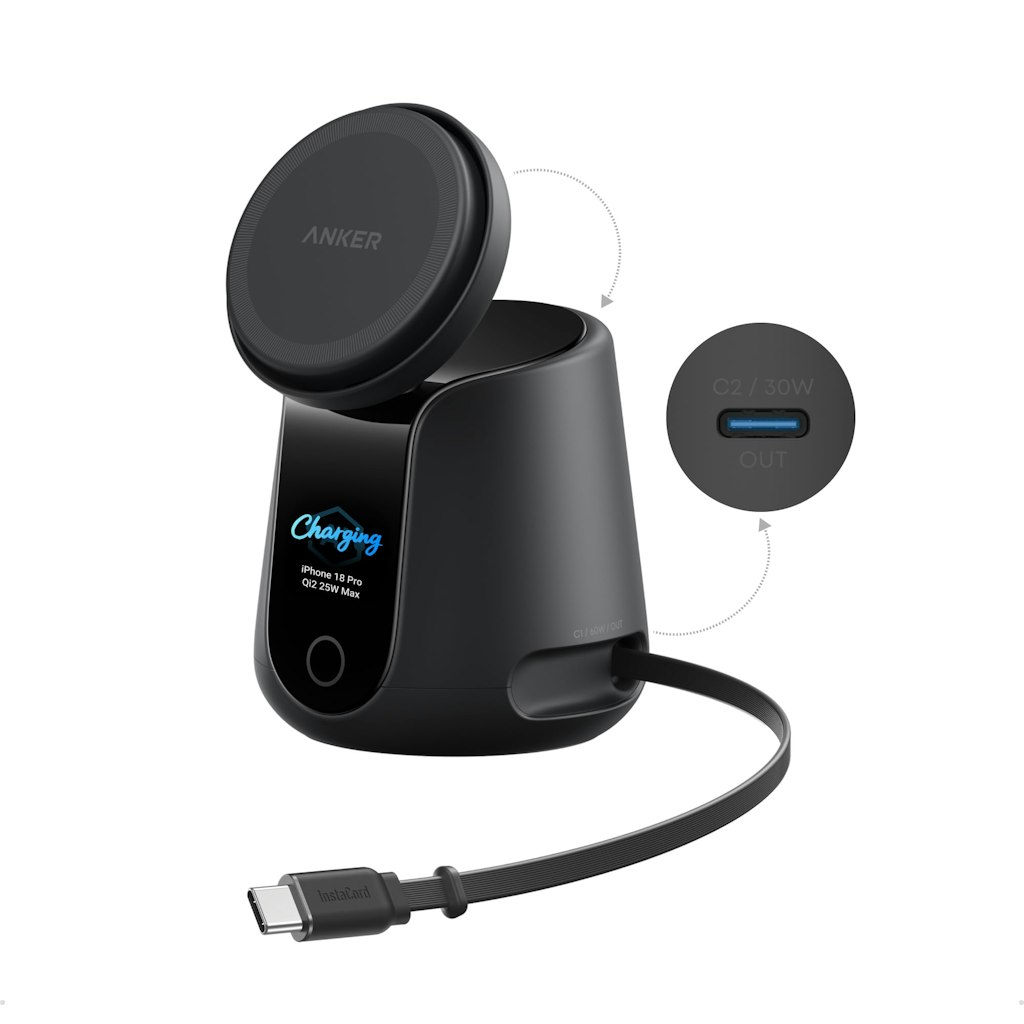
Anker MagStand Qi2 Wireless Charger Hits $90 All-Time Low in Black Friday Sales
Anker's MagStand 25W wireless charging station drops to $90 at Amazon, matching its lowest price ever, while a wave of Black Friday deals covers power banks, travel charg…
 🛍️Sales Events
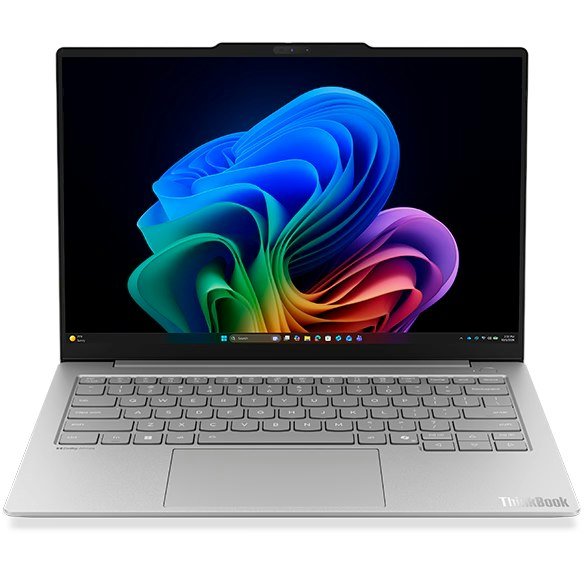
Black Friday Laptop Deals: Lenovo, Best Buy, and Walmart Cut Prices on ThinkBook, Yoga, and Gaming Models
Major retailers have launched Black Friday doorbuster sales on laptops, with Lenovo's ThinkBook 14x dropping to $699 and Best Buy offering a Yoga 7i 2-in-1 for $649.99.
 🧭Buying Guides
Essential Gear for Frequent Travelers: A Gift Guide
Selecting the right travel accessories can significantly reduce the stress of trip planning and packing. This guide highlights functional items designed to streamline the…
 🧭Buying Guides
Essential Guide to Choosing an EPA-Certified Wood Stove
Upgrading to a modern, EPA-certified wood stove can improve home heating efficiency while reducing particulate pollution compared to older, uncertified models.
 🏠Home & Kitchen
Art Leon Mid-Century Modern Swivel Chair Drops to $144
The Art Leon swivel office chair is currently available for $144, offering a blend of home-friendly aesthetics and functional utility.
 👟Fashion & Beauty
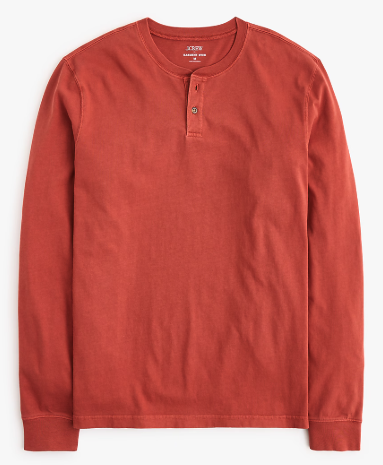
Black Friday Fashion and Travel Savings: J.Crew Factory, Nordstrom Rack, and More
Retailers are rolling out significant pre-Black Friday discounts on apparel and travel gear, featuring clearance markdowns and promotional codes for new customers.