New Hydrogen-Powered Filter Technology Targets 'Forever Chemicals'
Researchers have developed an experimental membrane filter that uses hydrogen and palladium nanoparticles to break down persistent PFAS chemicals.
 🧠AI Analysis
Photo: popularmechanics.com
Key points
- New filter uses hydrogen and palladium to break PFAS carbon-fluorine bonds
- Successfully tested on six major regulated PFAS compounds
- High cost of palladium remains a major hurdle for large-scale adoption
Destroying the Indestructible Bonds
Per- and polyfluoroalkyl substances, widely known as PFAS or "forever chemicals," have become a pervasive environmental challenge due to carbon-fluorine bonds that resist natural degradation. Found in everyday items from non-stick cookware to food packaging, these synthetic compounds now appear in nearly all human blood samples. Traditional filtration methods can trap certain PFAS varieties, but they merely relocate the toxic material rather than eliminating it entirely.
A Catalytic Solution
A recent study published in the Proceedings of the National Academy of Sciences details an innovative filtration approach designed to dismantle these stubborn chemical structures. Led by senior author Bruce Rittmann at Arizona State University, researchers utilized a membrane incorporating palladium nanoparticles to activate hydrogen gas. This process, known as hydrodefluorination, strips away fluorine and replaces it with carbon-hydrogen bonds. In testing, the mechanism successfully neutralized six different regulated PFAS compounds, destroying 90 percent of the captured chemicals and stripping approximately 83 percent of their fluorine over two months of continuous operation.
Economic and Practical Hurdles
Despite the scientific breakthrough, significant implementation obstacles remain, most notably involving material expenses. Palladium is a precious metal, with costs estimated at roughly $50,000 per kilogram by the study's authors. To make the technology economically viable, researchers suggest pairing the palladium membrane with conventional water treatment systems that first concentrate the PFAS waste stream, thereby reducing the total surface area and amount of catalyst required.
Source popularmechanics.com — popularmechanics.com/science/green-tech/a74469207/destroy-pfas/ ↗
Read next
 🛍️Sales Events
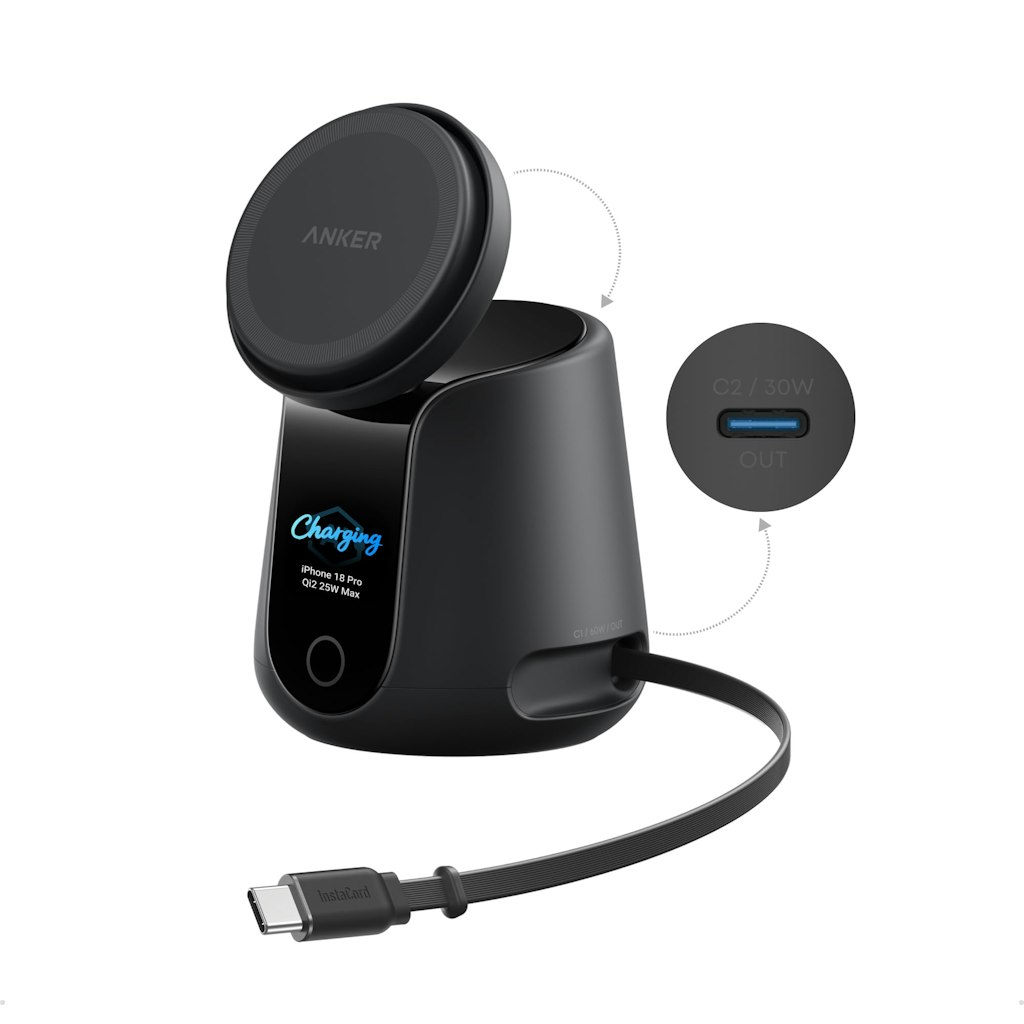
Anker MagStand Qi2 Wireless Charger Hits $90 All-Time Low in Black Friday Sales
Anker's MagStand 25W wireless charging station drops to $90 at Amazon, matching its lowest price ever, while a wave of Black Friday deals covers power banks, travel charg…
 🛍️Sales Events
Black Friday Laptop Deals: Lenovo, Best Buy, and Walmart Cut Prices on ThinkBook, Yoga, and Gaming Models
Major retailers have launched Black Friday doorbuster sales on laptops, with Lenovo's ThinkBook 14x dropping to $699 and Best Buy offering a Yoga 7i 2-in-1 for $649.99.
 🧭Buying Guides
Essential Gear for Frequent Travelers: A Gift Guide
Selecting the right travel accessories can significantly reduce the stress of trip planning and packing. This guide highlights functional items designed to streamline the…
 🧭Buying Guides
Essential Guide to Choosing an EPA-Certified Wood Stove
Upgrading to a modern, EPA-certified wood stove can improve home heating efficiency while reducing particulate pollution compared to older, uncertified models.
 🏠Home & Kitchen
Art Leon Mid-Century Modern Swivel Chair Drops to $144
The Art Leon swivel office chair is currently available for $144, offering a blend of home-friendly aesthetics and functional utility.
 👟Fashion & Beauty
Black Friday Fashion and Travel Savings: J.Crew Factory, Nordstrom Rack, and More
Retailers are rolling out significant pre-Black Friday discounts on apparel and travel gear, featuring clearance markdowns and promotional codes for new customers.