From 8MB Flash Drives to 44TB Servers: A Look Back at How Data Storage Evolved
Examining the massive shift in data storage over the last 25 years, moving from 1.44MB floppy disks and physical media to multi-terabyte drives and cloud infrastructure.
 🧠AI Analysis
Photo: engadget.com
Key points
- Early USB flash drives held just 8MB, whereas modern consumer SSDs reach about 8TB and commercial hard drives scale to 44TB.
- In the early 2000s, basic 10GB hard drives cost roughly $6 per gigabyte, while floppy disks held only 1.44MB of data.
- Cloud storage services introduced by Amazon in 2006 and popularized by Dropbox in 2008 largely eliminated the need for physical media backups.
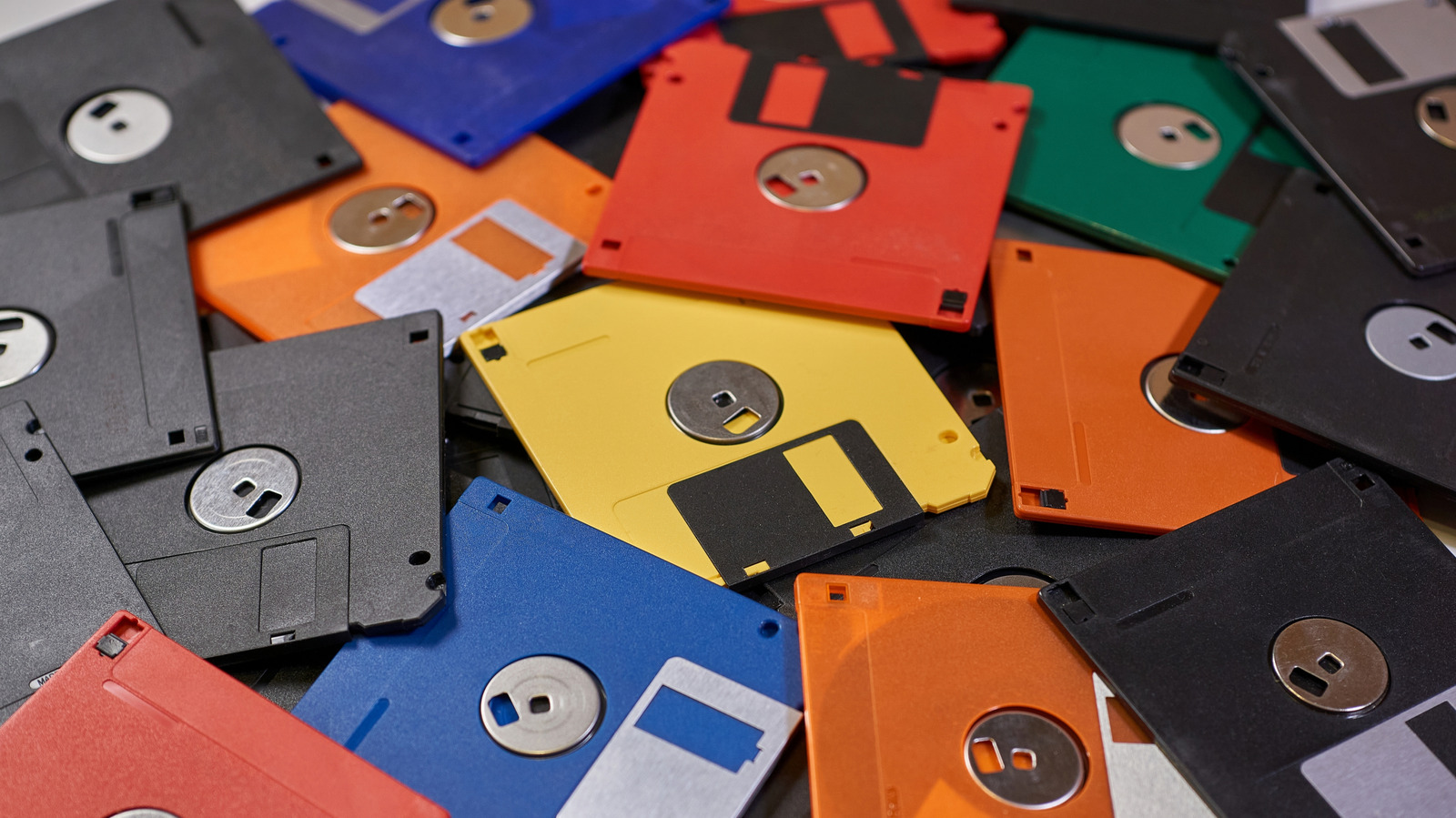
Data storage has undergone a staggering transformation over the past 25 years, shifting from physical, easily misplaced media like floppy disks and CDs to massive enterprise arrays and cloud servers. Back in 2001, a standard entry-level desktop computer featured a hard drive capacity of around 10GB, costing roughly $6 per gigabyte. Consumers relied on 3.5-inch floppies holding a mere 1.44MB or spindles of blank CDs for moving files between machines, while early USB flash drives provided an 8MB capacity on a keyring.
Physical storage formats of that era famously came with distinct drawbacks. Iomega's 100MB Zip drives offered an upgrade in the late 1990s but suffered from the notorious mechanical failure known as the "click of death," which sparked a class-action lawsuit. Meanwhile, early DVD burners retailed for close to $1,000, keeping them out of reach for average households until CD-ROMs eventually dominated the market by offering roughly 700MB of space.
The landscape shifted dramatically when portable flash memory emerged, leading manufacturers like Dell to phase out standard floppy drives by 2003 in favor of USB keys. Soon after, the introduction of Amazon S3 in 2006 and cloud storage platforms like Dropbox changed how users handled personal files by eliminating the need to physically carry disks. Today, consumer technology features up to 8TB in solid-state drives and tiny microSD cards holding 2TB, while commercial hard drives scale all the way up to 44TB.
Source engadget.com — engadget.com/2318027/what-data-storage-looked-like-early-2000s-vs-t… ↗
Read next
 🛍️Sales Events
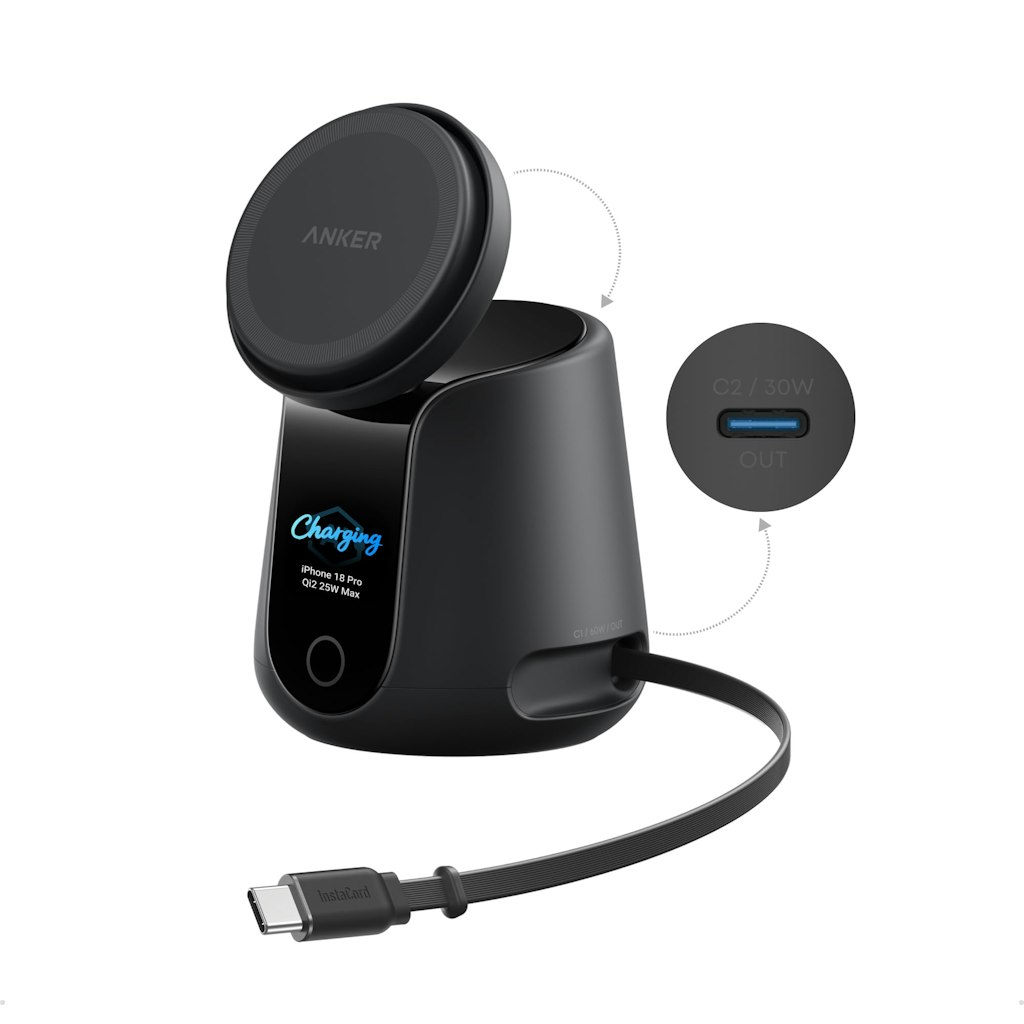
Anker MagStand Qi2 Wireless Charger Hits $90 All-Time Low in Black Friday Sales
Anker's MagStand 25W wireless charging station drops to $90 at Amazon, matching its lowest price ever, while a wave of Black Friday deals covers power banks, travel charg…
 🛍️Sales Events
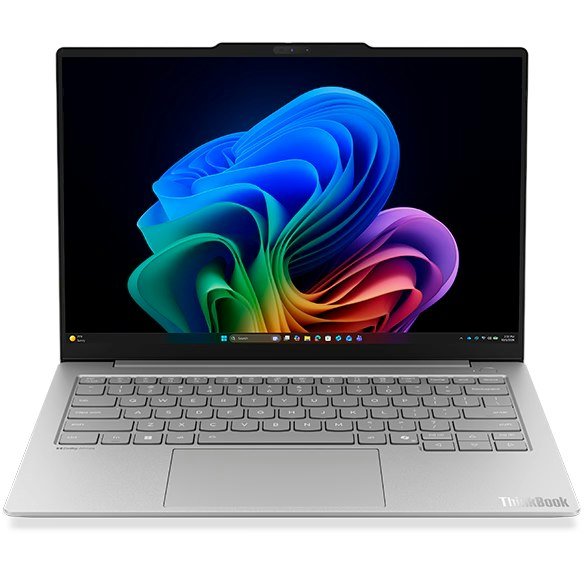
Black Friday Laptop Deals: Lenovo, Best Buy, and Walmart Cut Prices on ThinkBook, Yoga, and Gaming Models
Major retailers have launched Black Friday doorbuster sales on laptops, with Lenovo's ThinkBook 14x dropping to $699 and Best Buy offering a Yoga 7i 2-in-1 for $649.99.
 🧭Buying Guides
Essential Gear for Frequent Travelers: A Gift Guide
Selecting the right travel accessories can significantly reduce the stress of trip planning and packing. This guide highlights functional items designed to streamline the…
 🧭Buying Guides
Essential Guide to Choosing an EPA-Certified Wood Stove
Upgrading to a modern, EPA-certified wood stove can improve home heating efficiency while reducing particulate pollution compared to older, uncertified models.
 🏠Home & Kitchen
Art Leon Mid-Century Modern Swivel Chair Drops to $144
The Art Leon swivel office chair is currently available for $144, offering a blend of home-friendly aesthetics and functional utility.
 👟Fashion & Beauty
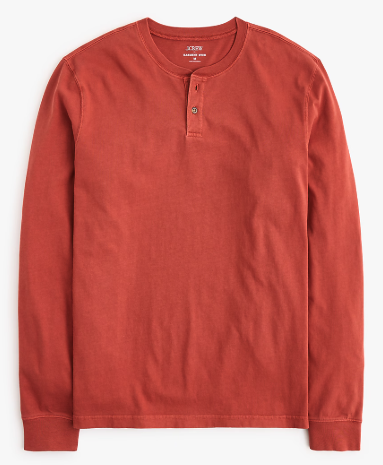
Black Friday Fashion and Travel Savings: J.Crew Factory, Nordstrom Rack, and More
Retailers are rolling out significant pre-Black Friday discounts on apparel and travel gear, featuring clearance markdowns and promotional codes for new customers.