Why Your Devices Sometimes Default to January 1, 1970
Ever wonder why your tech glitches back to 1970? It is a fundamental quirk of Unix-based timekeeping that affects everything from smartphones to embedded systems.
 🧭Buying Guides
Photo: engadget.com
Key points
- January 1, 1970 is the Unix Epoch, the starting point for timekeeping in most modern operating systems.
- Devices show this date when they encounter an error or receive a zero value for time data.
- The year 2038 problem occurs when 32-bit systems run out of space to count seconds, potentially causing system failures.
If you have ever encountered a device error displaying the date January 1, 1970, you are seeing the "Unix Epoch" in action. This date serves as the starting point for timekeeping in Unix-based operating systems, including Linux, macOS, and Android. When a system encounters a glitch or fails to retrieve the correct time, it defaults to a value of zero, which the software interprets as the very beginning of the Unix clock.
The system works by counting the number of seconds elapsed since midnight UTC on that specific date. Developers originally chose this method because it simplified time calculations across different time zones. However, because early systems utilized a 32-bit integer to store these seconds, they faced a hard limit. Once the counter reaches the maximum value of 2,147,483,647, the system will overflow, leading to the infamous "year 2038 problem" where devices may incorrectly revert to 1901.
Before you buy or update: While most modern 64-bit devices are immune to this overflow issue, older hardware and legacy embedded systems in appliances or vehicles may not be patchable. If you are relying on vintage tech for critical infrastructure, be aware that these devices may fail or display incorrect data as we approach January 19, 2038.
Source engadget.com — engadget.com/2311725/new-tech-stick-in-year-1970-unix-time-explaine… ↗
Read next
 🛍️Sales Events
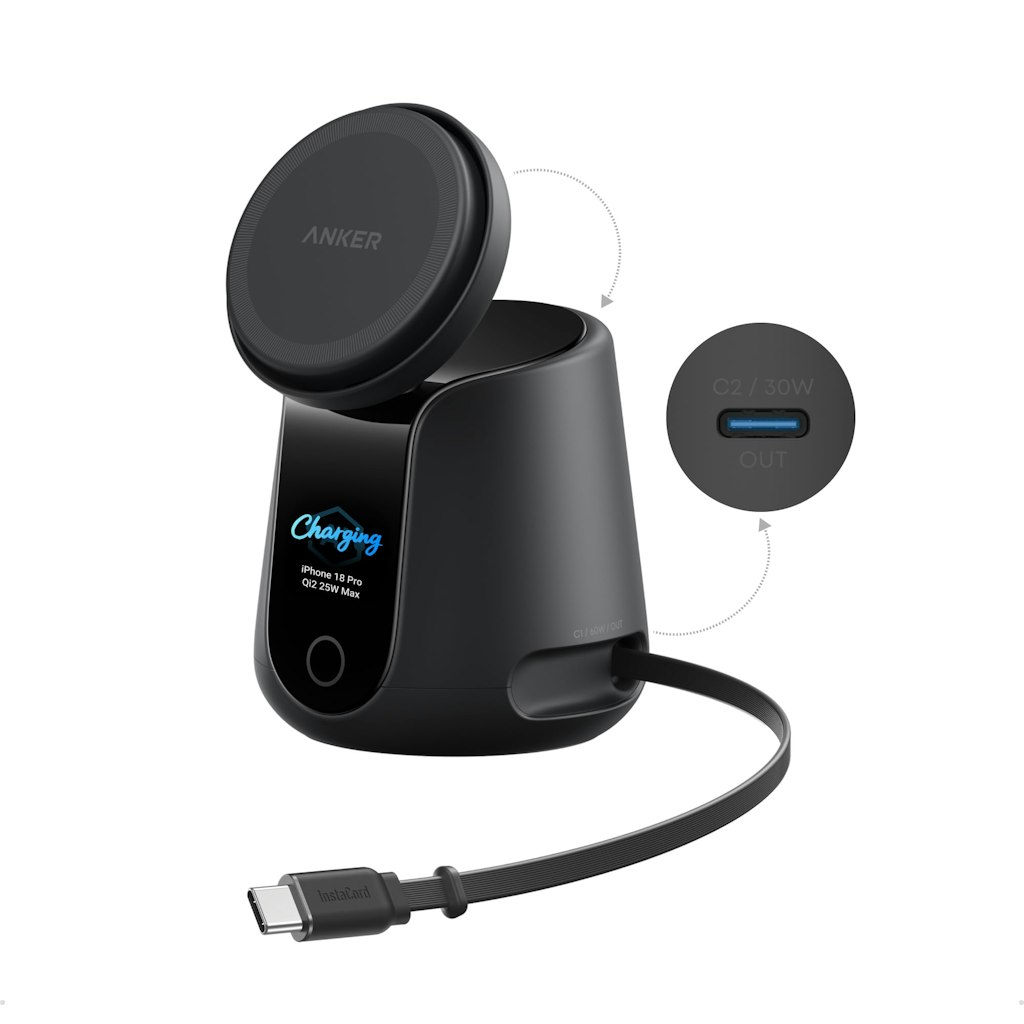
Anker MagStand Qi2 Wireless Charger Hits $90 All-Time Low in Black Friday Sales
Anker's MagStand 25W wireless charging station drops to $90 at Amazon, matching its lowest price ever, while a wave of Black Friday deals covers power banks, travel charg…
 🛍️Sales Events
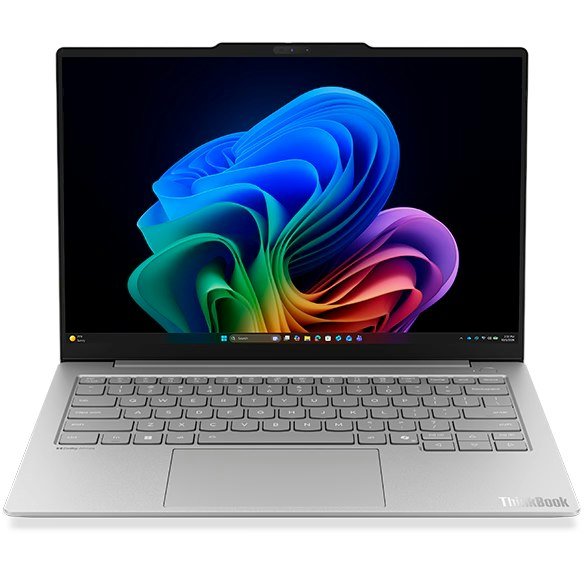
Black Friday Laptop Deals: Lenovo, Best Buy, and Walmart Cut Prices on ThinkBook, Yoga, and Gaming Models
Major retailers have launched Black Friday doorbuster sales on laptops, with Lenovo's ThinkBook 14x dropping to $699 and Best Buy offering a Yoga 7i 2-in-1 for $649.99.
 🏠Home & Kitchen
Art Leon Mid-Century Modern Swivel Chair Drops to $144
The Art Leon swivel office chair is currently available for $144, offering a blend of home-friendly aesthetics and functional utility.
 👟Fashion & Beauty
Black Friday Fashion and Travel Savings: J.Crew Factory, Nordstrom Rack, and More
Retailers are rolling out significant pre-Black Friday discounts on apparel and travel gear, featuring clearance markdowns and promotional codes for new customers.
 💻Tech Deals
UGREEN MagFlow 25W 2-in-1 Travel Charger Hits New All-Time Low of $28
UGREEN has discounted its MagFlow 25W 2-in-1 travel charger to $28.49, marking a 53% price reduction for Black Friday week.
 🛍️Sales Events
Walmart Launches Second Wave of Black Friday Tech Deals
Walmart has released its second major round of Black Friday discounts, featuring significant price drops on Apple hardware, gaming consoles, and home theater equipment.