Cloud Storage vs. Local Storage: Which Backup Option Fits Your Needs?
A comparative guide breaking down the costs, convenience, and reliability differences between cloud services and physical drives.
 🧭Buying Guides
Photo: engadget.com
Key points
- Local drives offer offline access and fast gigabyte transfers without subscription fees.
- Cloud platforms enable automated daily backups, multi-device accessibility, and real-time collaboration.
- Apple charges $9.99 per month for 2TB of iCloud+, whereas 2TB external SSDs generally cost around $290 upfront.
Deciding how to back up your digital files usually comes down to choosing between physical hardware, such as external hard drives and USB flash drives, and online platforms like Google Drive and iCloud. Local storage operates independently of the internet, allowing you to plug in a drive and quickly transfer gigabytes of data in minutes without waiting for uploads or dealing with slow connection speeds.
Conversely, cloud storage provides automated syncing for photos, contacts, and documents across multiple devices, meaning your files remain accessible wherever you go. Major providers also simplify file sharing and real-time collaboration through simple links, while safeguarding data by spreading copies across multiple secure data centers protected by passwords and two-factor authentication.
However, the financial models differ significantly. While purchasing an external 2TB solid-state drive typically costs around $290 as a one-time payment, cloud options require ongoing subscriptions. For instance, Apple prices its 2TB iCloud+ plan at $9.99 per month in the US, totaling nearly $240 over two years without granting permanent ownership of the storage space.
Before you buy: Evaluate your reliance on an internet connection while traveling and calculate whether a recurring subscription or a one-time hardware purchase best suits your long-term storage budget.
Source engadget.com — engadget.com/2313943/pros-cons-using-cloud-storage-over-local/ ↗
Read next
 🛍️Sales Events
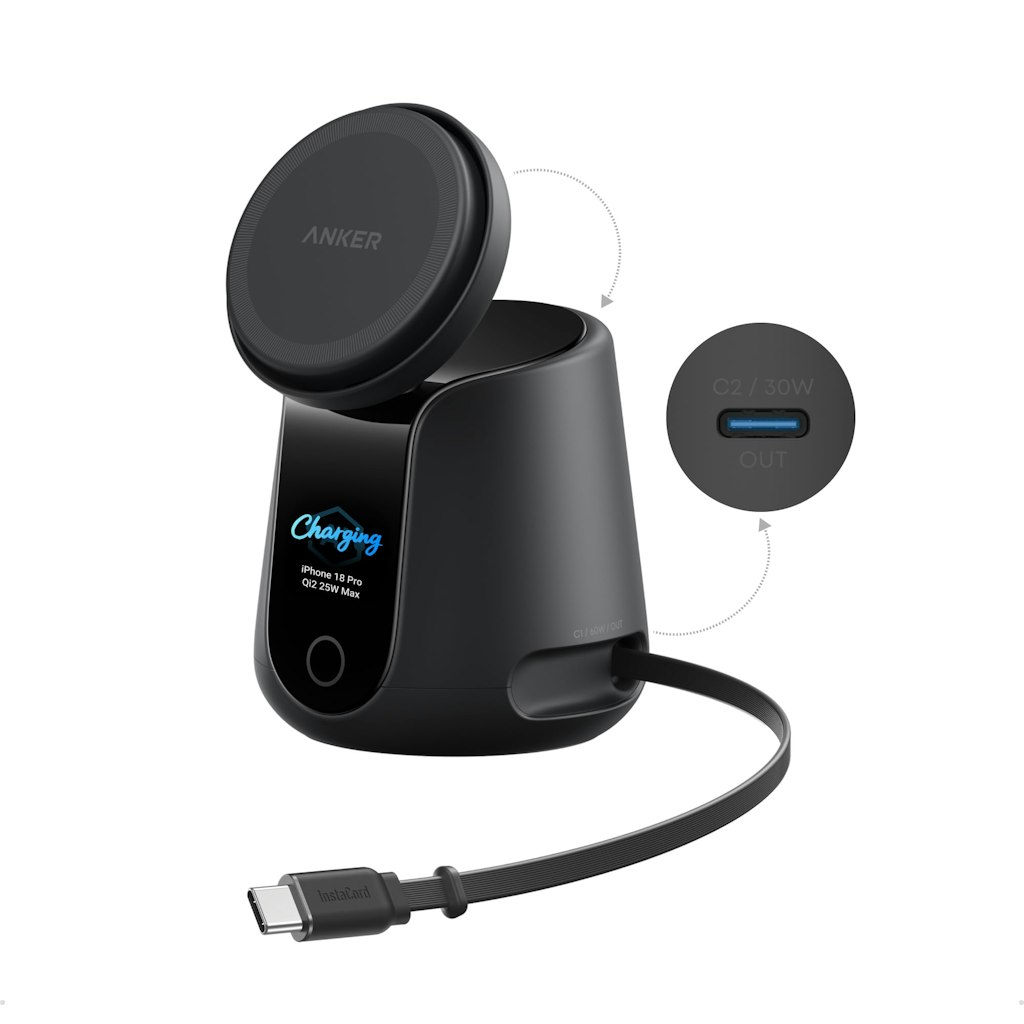
Anker MagStand Qi2 Wireless Charger Hits $90 All-Time Low in Black Friday Sales
Anker's MagStand 25W wireless charging station drops to $90 at Amazon, matching its lowest price ever, while a wave of Black Friday deals covers power banks, travel charg…
 🛍️Sales Events
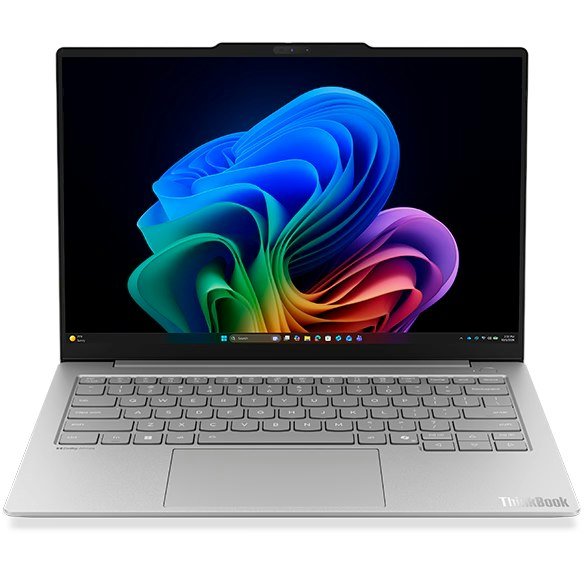
Black Friday Laptop Deals: Lenovo, Best Buy, and Walmart Cut Prices on ThinkBook, Yoga, and Gaming Models
Major retailers have launched Black Friday doorbuster sales on laptops, with Lenovo's ThinkBook 14x dropping to $699 and Best Buy offering a Yoga 7i 2-in-1 for $649.99.
 🏠Home & Kitchen
Art Leon Mid-Century Modern Swivel Chair Drops to $144
The Art Leon swivel office chair is currently available for $144, offering a blend of home-friendly aesthetics and functional utility.
 👟Fashion & Beauty
Black Friday Fashion and Travel Savings: J.Crew Factory, Nordstrom Rack, and More
Retailers are rolling out significant pre-Black Friday discounts on apparel and travel gear, featuring clearance markdowns and promotional codes for new customers.
 💻Tech Deals
UGREEN MagFlow 25W 2-in-1 Travel Charger Hits New All-Time Low of $28
UGREEN has discounted its MagFlow 25W 2-in-1 travel charger to $28.49, marking a 53% price reduction for Black Friday week.
 🛍️Sales Events
Walmart Launches Second Wave of Black Friday Tech Deals
Walmart has released its second major round of Black Friday discounts, featuring significant price drops on Apple hardware, gaming consoles, and home theater equipment.