New Stanford Study Suggests Helmet Design Must Rethink Linear Acceleration to Prevent Concussions
A recent Stanford Medicine study reveals that linear acceleration is a stronger predictor of concussions than rotational force, potentially transforming future helmet safety standards.
 🧭Buying Guides
Photo: popularmechanics.com
Key points
- Stanford study identifies linear acceleration as the primary predictor of sports concussions.
- Research utilized motion-sensing mouthguards across 203 athletes to analyze 3,851 impacts.
- New data shows 100 g of linear acceleration carries a 50 percent risk of concussion.
An estimated 3.8 million sports-related concussions occur annually in the United States, posing severe long-term risks like chronic traumatic encephalopathy and dementia. Despite decades of protective gear improvements and gear additions like the Guardian Cap in the NFL, concussions remain prevalent. For generations, protective equipment design largely followed a World War II-era theory by Scottish physicist A.H.S. Holbourn, which assumed rotational acceleration—forces causing the head to twist—was the primary danger to brain tissue.
However, a new study led by Stanford Medicine bioengineer David Camarillo challenges this long-held premise. Published in the Annals of Biomedical Engineering, the research utilized motion-sensing mouthguards across 203 athletes in seven sports to track 3,851 impacts, including 47 verified concussions. By capturing more reliable data than older helmet-mounted sensors, the team determined that peak linear acceleration—straight-line impact force—serves as the most accurate predictor of whether a blow will cause a concussion.
The findings indicate that safety thresholds previously deemed acceptable are actually far more hazardous than recognized. According to the mouthguard data, a hit generating 100 g of linear acceleration carries a 50 percent concussion risk, while 150 g pushes that risk past 99 percent. Researchers suspect that linear force causes the brain to strike the inside of the skull or triggers cavitation, where sudden pressure shifts create collapsing microscopic bubbles.
These insights offer a clearer path forward for protective gear manufacturing. By shifting focus toward mitigating linear acceleration alongside rotational forces, engineers can develop advanced equipment, such as Stanford-tested helmets featuring liquid-filled pads designed to absorb straight-line impact shocks and substantially reduce injury rates.
Source popularmechanics.com — popularmechanics.com/science/health/a74416436/concussion-helmet/ ↗
Read next
 🛍️Sales Events
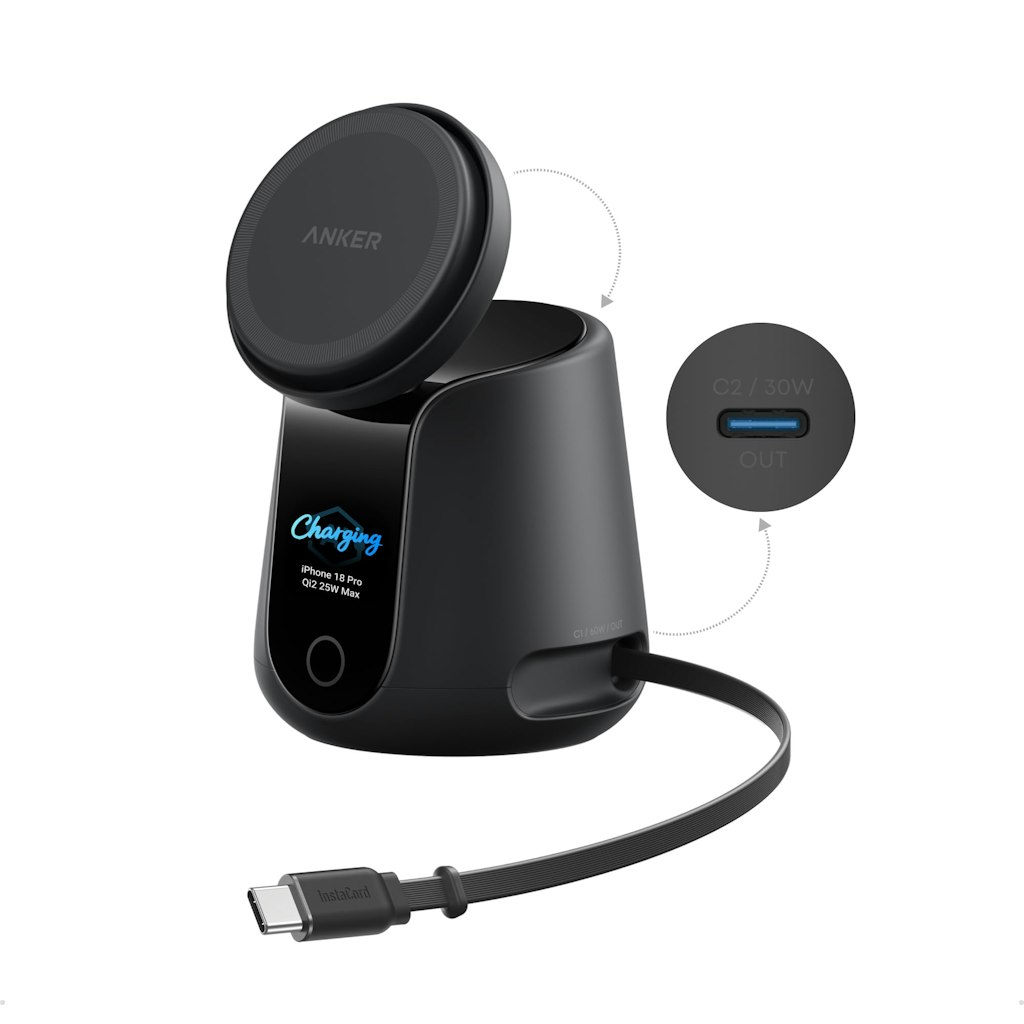
Anker MagStand Qi2 Wireless Charger Hits $90 All-Time Low in Black Friday Sales
Anker's MagStand 25W wireless charging station drops to $90 at Amazon, matching its lowest price ever, while a wave of Black Friday deals covers power banks, travel charg…
 🛍️Sales Events
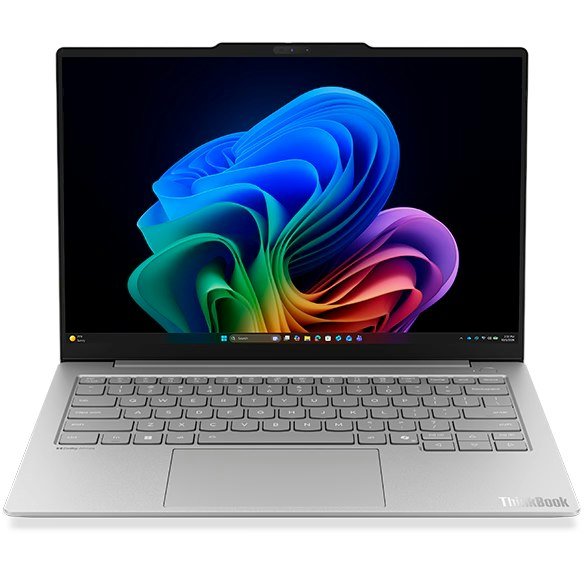
Black Friday Laptop Deals: Lenovo, Best Buy, and Walmart Cut Prices on ThinkBook, Yoga, and Gaming Models
Major retailers have launched Black Friday doorbuster sales on laptops, with Lenovo's ThinkBook 14x dropping to $699 and Best Buy offering a Yoga 7i 2-in-1 for $649.99.
 🏠Home & Kitchen
Art Leon Mid-Century Modern Swivel Chair Drops to $144
The Art Leon swivel office chair is currently available for $144, offering a blend of home-friendly aesthetics and functional utility.
 👟Fashion & Beauty
Black Friday Fashion and Travel Savings: J.Crew Factory, Nordstrom Rack, and More
Retailers are rolling out significant pre-Black Friday discounts on apparel and travel gear, featuring clearance markdowns and promotional codes for new customers.
 💻Tech Deals
UGREEN MagFlow 25W 2-in-1 Travel Charger Hits New All-Time Low of $28
UGREEN has discounted its MagFlow 25W 2-in-1 travel charger to $28.49, marking a 53% price reduction for Black Friday week.
 🛍️Sales Events
Walmart Launches Second Wave of Black Friday Tech Deals
Walmart has released its second major round of Black Friday discounts, featuring significant price drops on Apple hardware, gaming consoles, and home theater equipment.