Understanding Cosmic Distances: How Far Voyager 1 Really Is
Exploring the physics and units of measurement behind Voyager 1, which has reached a milestone distance of one light-day from Earth.
 🧭Buying Guides
Photo: wired.com
Key points
- Voyager 1 is currently one light-day away from Earth, meaning signals take 24 hours to travel each way.
- Astronomical distances are measured using specialized units such as Astronomical Units, parsecs, and light-years.
- The spacecraft launched in September 1977 and has traveled farther than any other human-made object.
Launched by NASA in September 1977, the Voyager 1 spacecraft has traveled so far into interstellar space that it currently sits at a distance of one light-day from Earth. This means a signal traveling at the speed of light takes a full 24 hours to bridge the gap between the probe and our planet. Such extreme distances require specialized units of measurement that go far beyond standard meters, kilometers, or even the Astronomical Units used within our solar system.
To contextualize these vast expanses, scientists rely on metrics like parsecs and light-years, which measure distances based on stellar parallax and the speed of light over time. For instance, a light-year represents the distance light travels in a single year, approximately 9.9 x 10¹⁵ meters. At its current position, Voyager 1 has surpassed all other human-made objects, maintaining an average speed equivalent to roughly 36,000 miles per hour if calculated in a straight line.
Throughout its epic journey, the spacecraft has navigated complex gravitational interactions, primarily influenced by the massive mass of the sun, alongside earlier encounters with outer planets. While standard metrics like meters or miles are sufficient for everyday terrestrial applications, deep space exploration forces us to rethink how we quantify the universe.
Source wired.com — wired.com/story/voyager-light-day-away-how-far-that-really-is/ ↗
Read next
 🛍️Sales Events
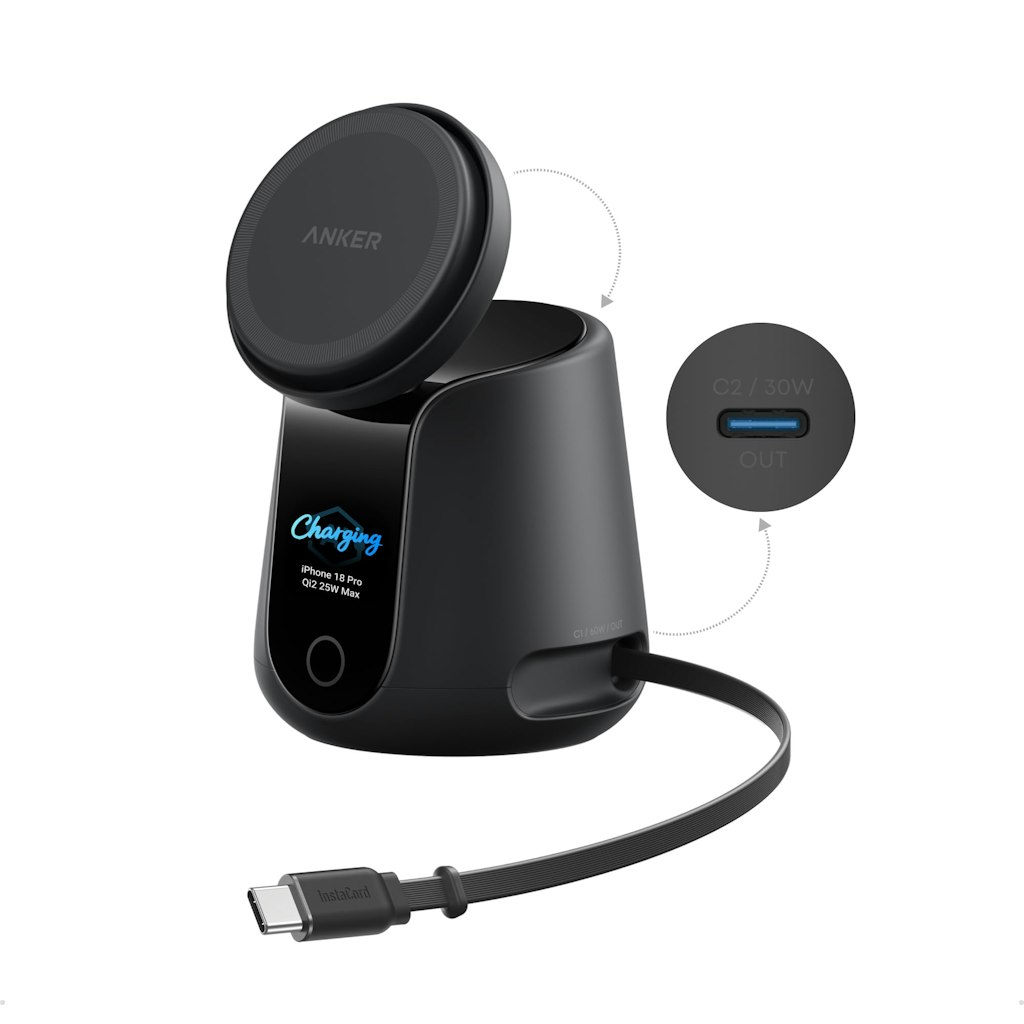
Anker MagStand Qi2 Wireless Charger Hits $90 All-Time Low in Black Friday Sales
Anker's MagStand 25W wireless charging station drops to $90 at Amazon, matching its lowest price ever, while a wave of Black Friday deals covers power banks, travel charg…
 🛍️Sales Events
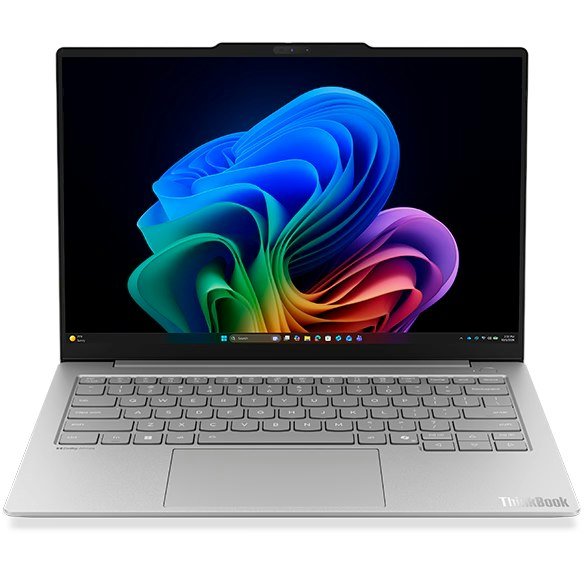
Black Friday Laptop Deals: Lenovo, Best Buy, and Walmart Cut Prices on ThinkBook, Yoga, and Gaming Models
Major retailers have launched Black Friday doorbuster sales on laptops, with Lenovo's ThinkBook 14x dropping to $699 and Best Buy offering a Yoga 7i 2-in-1 for $649.99.
 🏠Home & Kitchen
Art Leon Mid-Century Modern Swivel Chair Drops to $144
The Art Leon swivel office chair is currently available for $144, offering a blend of home-friendly aesthetics and functional utility.
 👟Fashion & Beauty
Black Friday Fashion and Travel Savings: J.Crew Factory, Nordstrom Rack, and More
Retailers are rolling out significant pre-Black Friday discounts on apparel and travel gear, featuring clearance markdowns and promotional codes for new customers.
 💻Tech Deals
UGREEN MagFlow 25W 2-in-1 Travel Charger Hits New All-Time Low of $28
UGREEN has discounted its MagFlow 25W 2-in-1 travel charger to $28.49, marking a 53% price reduction for Black Friday week.
 🛍️Sales Events
Walmart Launches Second Wave of Black Friday Tech Deals
Walmart has released its second major round of Black Friday discounts, featuring significant price drops on Apple hardware, gaming consoles, and home theater equipment.