Understanding the Technical Distinction Between Discs and Disks
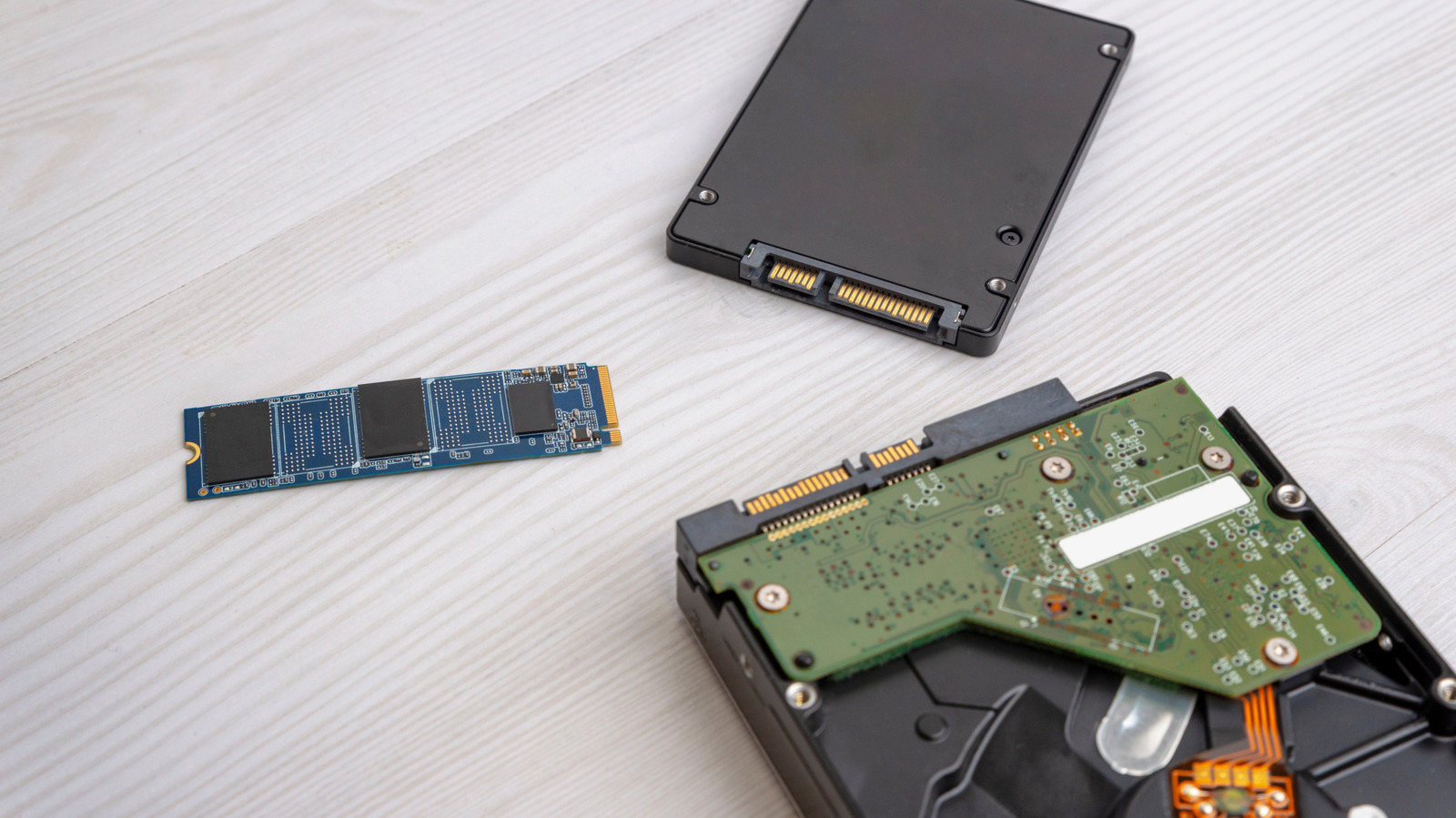
While often used interchangeably in casual conversation, the spelling of 'disc' versus 'disk' signifies fundamental differences in storage technology.
 🧭Buying Guides
Photo: engadget.com
Key points
- Disks (with a K) refer to magnetic storage like hard drives.
- Discs (with a C) refer to optical media like CDs, DVDs, and Blu-rays.
- SSDs are labeled as disks in software but do not use traditional magnetic platters.
In the world of computing and media, a single letter can change the entire meaning of a storage medium. While the terms are frequently confused, the industry maintains a distinct technical separation between the two spellings to differentiate how data is physically stored and accessed.
A disk, spelled with a 'k', is the standard term for magnetic storage media. This category includes traditional mechanical hard drives and legacy floppy disks. Even though modern Solid State Drives (SSDs) are frequently labeled as disks within operating systems, they technically deviate from this definition because they rely on NAND flash memory rather than spinning magnetic platters.
Conversely, a disc, spelled with a 'c', refers specifically to optical storage formats. This encompasses media such as CDs, DVDs, and Blu-ray discs. These devices use lasers to read data from the surface of the medium, a process that is fundamentally different from the magnetic read-write heads found in traditional hard drives.
Before you buy: When shopping for storage or media, check the technical specifications to ensure you are purchasing the correct format for your hardware. While the terms are sometimes used loosely in marketing, recognizing the difference between magnetic and optical media will help you avoid compatibility issues with older playback devices or storage systems.
Source engadget.com — engadget.com/2319034/discs-vs-disks-differences/ ↗
Read next
 🛍️Sales Events
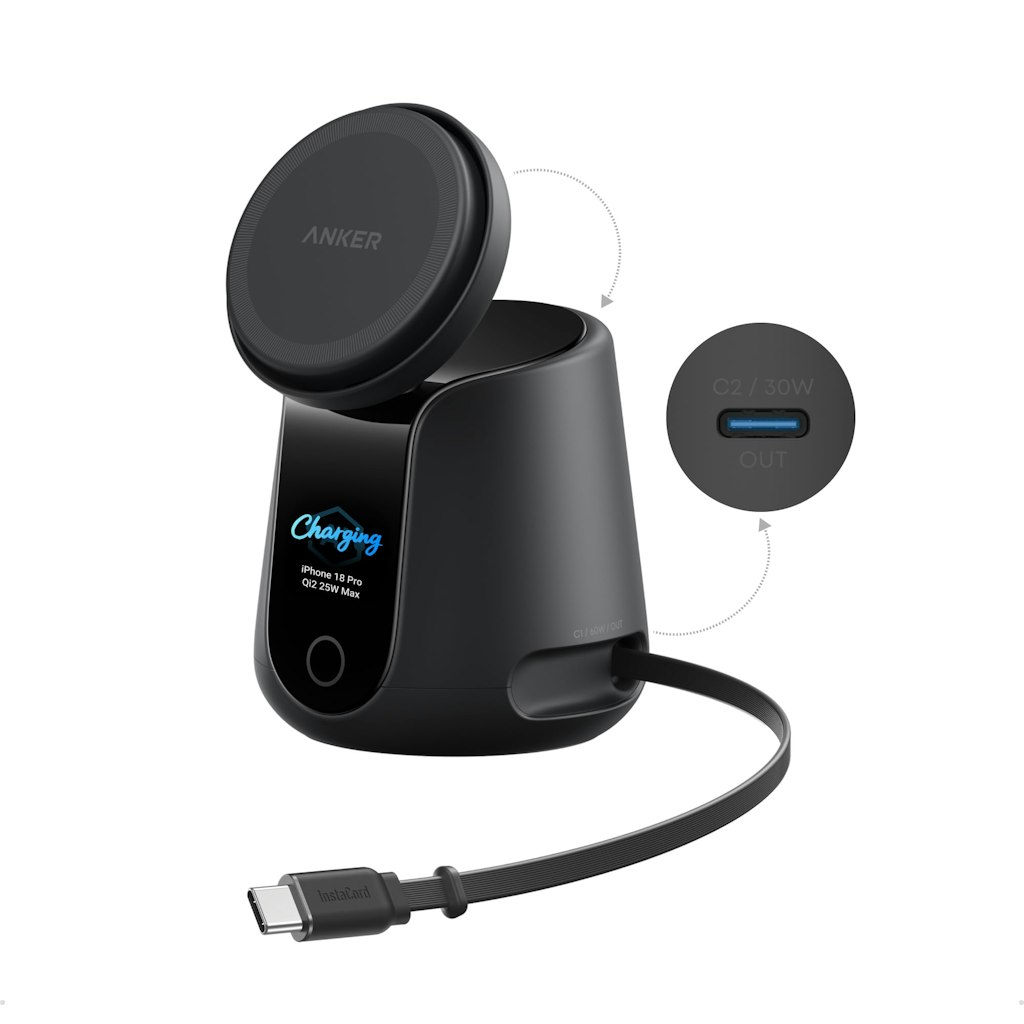
Anker MagStand Qi2 Wireless Charger Hits $90 All-Time Low in Black Friday Sales
Anker's MagStand 25W wireless charging station drops to $90 at Amazon, matching its lowest price ever, while a wave of Black Friday deals covers power banks, travel charg…
 🛍️Sales Events
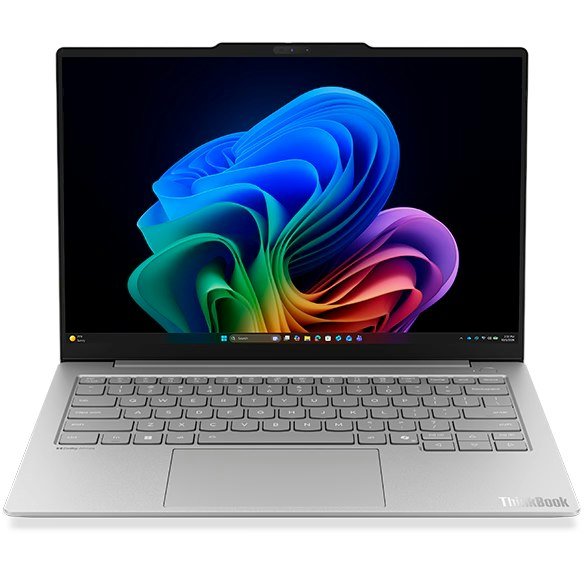
Black Friday Laptop Deals: Lenovo, Best Buy, and Walmart Cut Prices on ThinkBook, Yoga, and Gaming Models
Major retailers have launched Black Friday doorbuster sales on laptops, with Lenovo's ThinkBook 14x dropping to $699 and Best Buy offering a Yoga 7i 2-in-1 for $649.99.
 🏠Home & Kitchen
Art Leon Mid-Century Modern Swivel Chair Drops to $144
The Art Leon swivel office chair is currently available for $144, offering a blend of home-friendly aesthetics and functional utility.
 👟Fashion & Beauty
Black Friday Fashion and Travel Savings: J.Crew Factory, Nordstrom Rack, and More
Retailers are rolling out significant pre-Black Friday discounts on apparel and travel gear, featuring clearance markdowns and promotional codes for new customers.
 💻Tech Deals
UGREEN MagFlow 25W 2-in-1 Travel Charger Hits New All-Time Low of $28
UGREEN has discounted its MagFlow 25W 2-in-1 travel charger to $28.49, marking a 53% price reduction for Black Friday week.
 🛍️Sales Events
Walmart Launches Second Wave of Black Friday Tech Deals
Walmart has released its second major round of Black Friday discounts, featuring significant price drops on Apple hardware, gaming consoles, and home theater equipment.