Turn Your Smartphone Into a Basic Metal Detector Using Built-In Sensors
Smartphones can function as basic metal detectors using built-in magnetometers, though they are limited to detecting ferromagnetic metals like iron and steel.
 🏠Home & Kitchen
Photo: engadget.com
Key points
- Smartphones use built-in magnetometers, originally meant for compasses, to detect metal.
- Phones can only detect ferromagnetic metals like iron and steel, not gold or silver.
- Free apps are widely available, making upfront payments unnecessary for basic utility tasks.
Curious treasure hunters do not necessarily need to purchase standalone hardware to try out metal detecting, as mobile applications can utilize existing smartphone hardware to locate small metallic objects. Since the introduction of the iPhone 3GS in the late 2000s, smartphones have included standard magnetometers primarily designed to support compass functionality by measuring Earth's magnetic field. Metal detector apps leverage these sensors to alert users when specific metallic items enter the device's immediate vicinity.
However, users should maintain realistic expectations regarding the limitations of phone-based detection compared to dedicated commercial equipment. Because smartphones rely on internal magnetometers rather than generating an active electromagnetic field, they are restricted to detecting ferromagnetic materials such as iron, steel, nickel, and cobalt. Consequently, applications claiming to locate precious non-ferrous metals like gold, silver, or high-end jewelry are misleading, as the hardware simply cannot scan for them.
These applications are best utilized for finding everyday items dropped around the house or yard, such as a stray screw, nail, or small blade. Since numerous free options are available across both Android and iOS platforms, paying an upfront cost for these apps is generally unnecessary. Users should stick to free options that utilize standard magnetometer technology and check user reviews before downloading.
Before you buy: Avoid paying for apps that promise to find gold or silver, as smartphone magnetometers can only detect basic ferromagnetic metals.
Source engadget.com — engadget.com/2318137/how-phone-metal-detector-apps-work/ ↗
Read next
 🛍️Sales Events
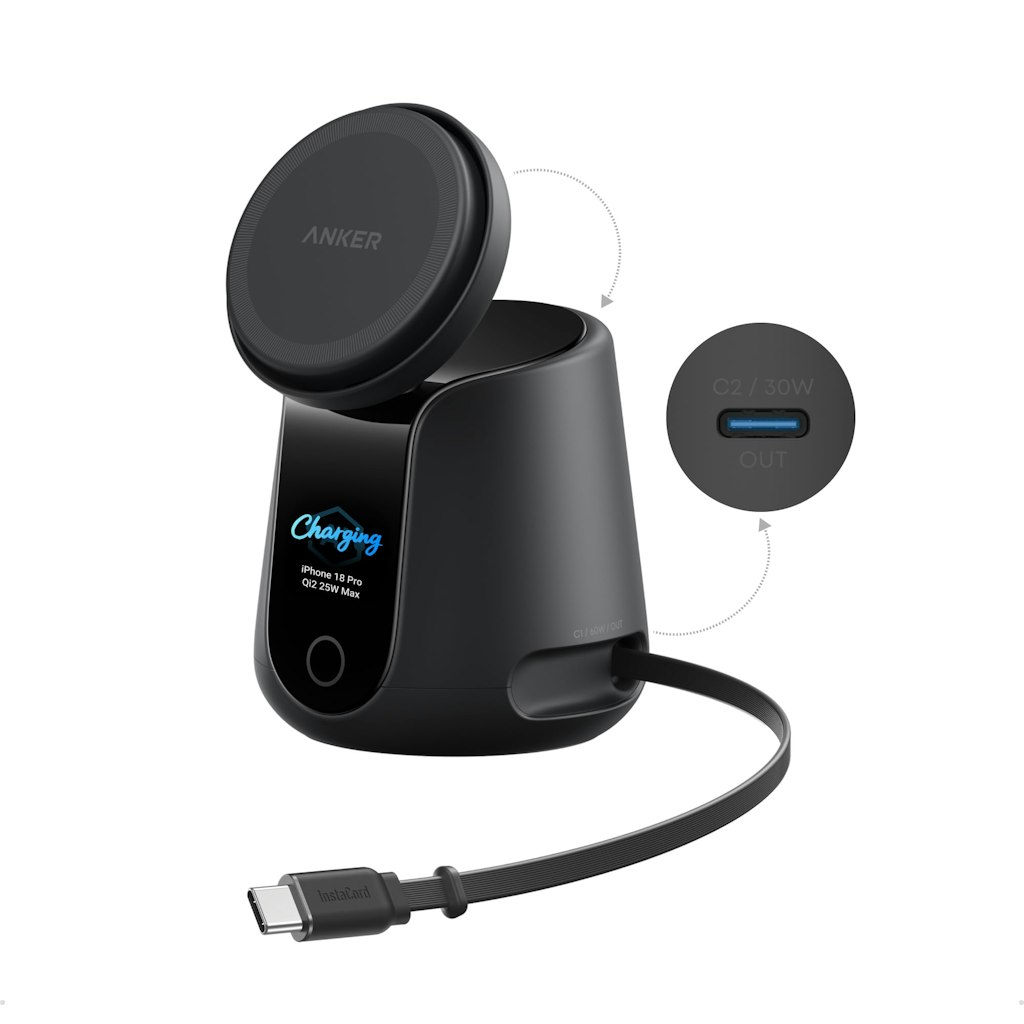
Anker MagStand Qi2 Wireless Charger Hits $90 All-Time Low in Black Friday Sales
Anker's MagStand 25W wireless charging station drops to $90 at Amazon, matching its lowest price ever, while a wave of Black Friday deals covers power banks, travel charg…
 🛍️Sales Events
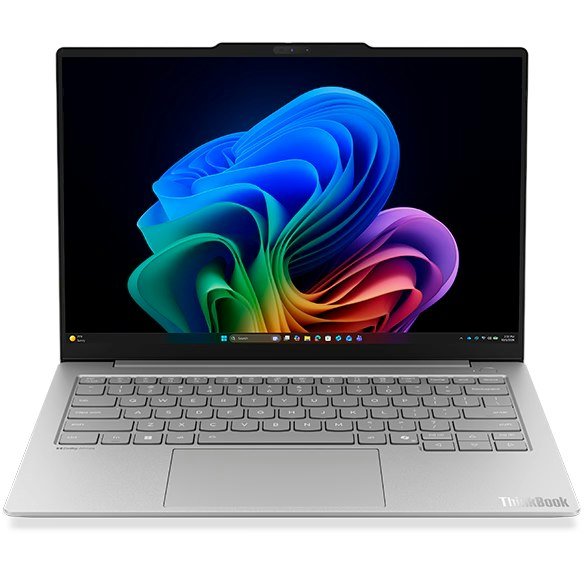
Black Friday Laptop Deals: Lenovo, Best Buy, and Walmart Cut Prices on ThinkBook, Yoga, and Gaming Models
Major retailers have launched Black Friday doorbuster sales on laptops, with Lenovo's ThinkBook 14x dropping to $699 and Best Buy offering a Yoga 7i 2-in-1 for $649.99.
 🧭Buying Guides
Essential Gear for Frequent Travelers: A Gift Guide
Selecting the right travel accessories can significantly reduce the stress of trip planning and packing. This guide highlights functional items designed to streamline the…
 🧭Buying Guides
Essential Guide to Choosing an EPA-Certified Wood Stove
Upgrading to a modern, EPA-certified wood stove can improve home heating efficiency while reducing particulate pollution compared to older, uncertified models.
 👟Fashion & Beauty
Black Friday Fashion and Travel Savings: J.Crew Factory, Nordstrom Rack, and More
Retailers are rolling out significant pre-Black Friday discounts on apparel and travel gear, featuring clearance markdowns and promotional codes for new customers.
 🧭Buying Guides
Black Friday Kitchenware Deals: Navigating Early Holiday Savings
Major retailers are launching extensive Black Friday kitchenware sales, featuring significant discounts on premium appliances, cookware sets, and essential accessories. S…