Home Internet Prices: A Value Comparison Between 2001 and 2026
While daily living expenses have surged, home internet services offer substantially better performance and value today compared to the early 2000s when adjusted for inflation.
 💻Tech Deals
Photo: engadget.com
Key points
- Unlimited dial-up cost roughly $22 to $24 per month in 2001 with a maximum speed of 56 kbps.
- Early DSL and cable broadband averaged between $39 and $52 monthly in 2001, translating to about $100 in today's purchasing power.
- The average monthly US home internet cost is $81.16 in 2026, paired with a median download speed of 116.34 Mbps.
When examining household expenses, home internet stands out as a rare utility that delivers vastly superior performance without a proportional price surge. Back in 2001, when roughly half of American households had internet access, consumers relied on unlimited dial-up providers like AT&T WorldNet and EarthLink for about $21.95 a month, while AOL charged $23.90 by mid-2001. These dial-up connections maxed out at theoretical speeds of 56 kbps. Meanwhile, early broadband alternatives were considerably pricier; CNET noted that cable broadband averaged around $39.40 to $44.22 monthly in 2001, and consumer DSL cost between $47.18 and $51.67 for speeds hovering around 300 to 500 kbps.
When factoring in inflation, those early 2000s prices look surprisingly steep. The $51.67 spent on an average DSL connection in 2001 possesses the purchasing power of approximately $100 today. In contrast, data from BroadbandNow indicates that the average monthly price for American home internet sits at $81.16, with various states dropping well below that average threshold.
Alongside these stable inflation-adjusted costs, real-world speeds have skyrocketed. HighSpeedInternet reports a median US download speed of 116.34 Mbps, completely overshadowing legacy DSL and early broadband infrastructure. High-end offerings have also pushed boundaries; Ziply Fiber starts baseline plans at 2 Gbps and scales up to 50 Gbps in select markets for $900 monthly plus a $600 installation fee. Internet service providers generally provide tiered plans to help subscribers scale bandwidth according to individual household requirements.
Source engadget.com — engadget.com/2311774/home-internet-2001-vs-2026-cost/ ↗
Read next
 🛍️Sales Events
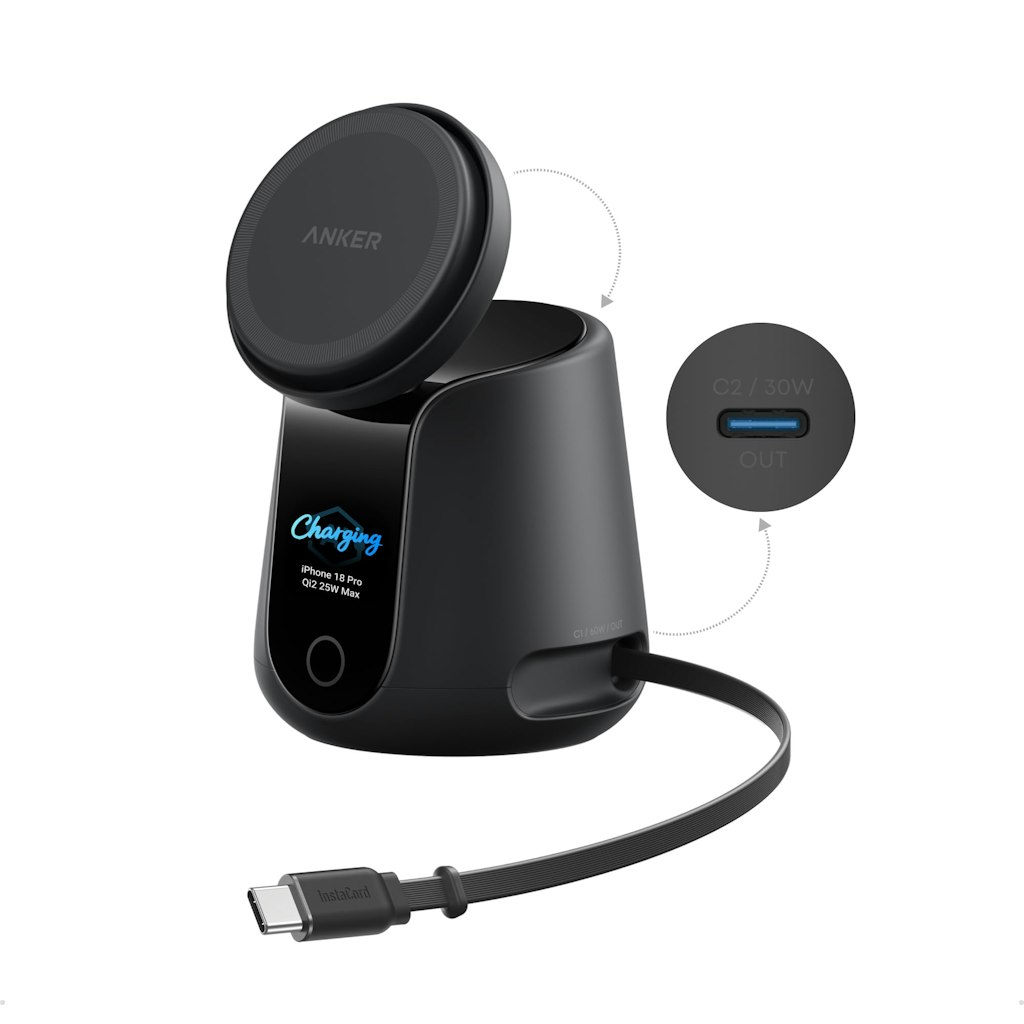
Anker MagStand Qi2 Wireless Charger Hits $90 All-Time Low in Black Friday Sales
Anker's MagStand 25W wireless charging station drops to $90 at Amazon, matching its lowest price ever, while a wave of Black Friday deals covers power banks, travel charg…
 🛍️Sales Events
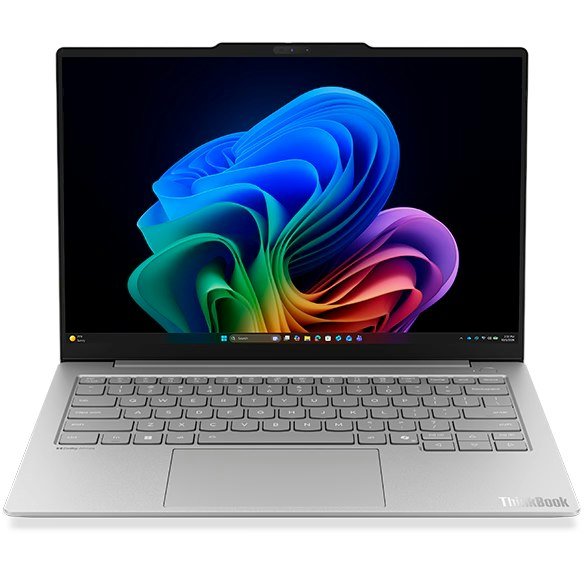
Black Friday Laptop Deals: Lenovo, Best Buy, and Walmart Cut Prices on ThinkBook, Yoga, and Gaming Models
Major retailers have launched Black Friday doorbuster sales on laptops, with Lenovo's ThinkBook 14x dropping to $699 and Best Buy offering a Yoga 7i 2-in-1 for $649.99.
 🧭Buying Guides
Essential Gear for Frequent Travelers: A Gift Guide
Selecting the right travel accessories can significantly reduce the stress of trip planning and packing. This guide highlights functional items designed to streamline the…
 🧭Buying Guides
Essential Guide to Choosing an EPA-Certified Wood Stove
Upgrading to a modern, EPA-certified wood stove can improve home heating efficiency while reducing particulate pollution compared to older, uncertified models.
 🏠Home & Kitchen
Art Leon Mid-Century Modern Swivel Chair Drops to $144
The Art Leon swivel office chair is currently available for $144, offering a blend of home-friendly aesthetics and functional utility.
 👟Fashion & Beauty
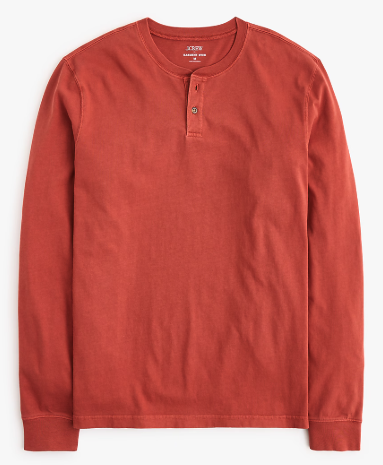
Black Friday Fashion and Travel Savings: J.Crew Factory, Nordstrom Rack, and More
Retailers are rolling out significant pre-Black Friday discounts on apparel and travel gear, featuring clearance markdowns and promotional codes for new customers.