Why AI Posters Look Identical: Inside the Hidden Sub-Prompts of Modern Chatbots
Modern AI chatbots rely on background thinking models that generate repetitive sub-prompts, explaining why artificial intelligence art often looks strikingly similar.
 💻Tech Deals
Photo: lifehacker.com
Key points
- Chatbots use hidden sub-prompts to break down complex tasks like poster design.
- Statistical models rely on predictable probabilities, leading to repetitive color palettes and fonts.
- Internal design briefs often hallucinate details or add unrequested elements.
If you have noticed that promotional graphics and event flyers generated by artificial intelligence share a remarkably similar aesthetic, you are not alone. Modern tools from providers like OpenAI, Google, and Anthropic no longer simply spit out text or images instantly. Instead, most platforms employ background reasoning processes that break a single user command down into a series of smaller, hidden instructions before executing the final request.
When a user asks a chatbot to design a promotional flyer, the underlying system quietly generates an internal design brief. This hidden text outlines layout choices, color palettes, and typography before passing those instructions along to an image generator. Because these statistical models rely on predictable probabilities rather than genuine creativity, they tend to fall back on generic tropes. For example, testing shows that nightclub prompts routinely default to glowing electric colors, futuristic concepts, and identical brush-stroke fonts.
These automated instructions suffer from the same limitations as standard AI text generation, including hallucinations and an inability to fact-check the physical world. While some advanced platforms allow users to view parts of these internal design briefs, most consumers only see the final, formulaic output. Without extremely specific human direction to bridge the gaps, the statistical nature of large language models ensures that the resulting visuals retain a distinct, repetitive look.
Source lifehacker.com — lifehacker.com/tech/why-do-ai-posters-all-look-like-that?utm_medium=RSS ↗
Read next
 🛍️Sales Events
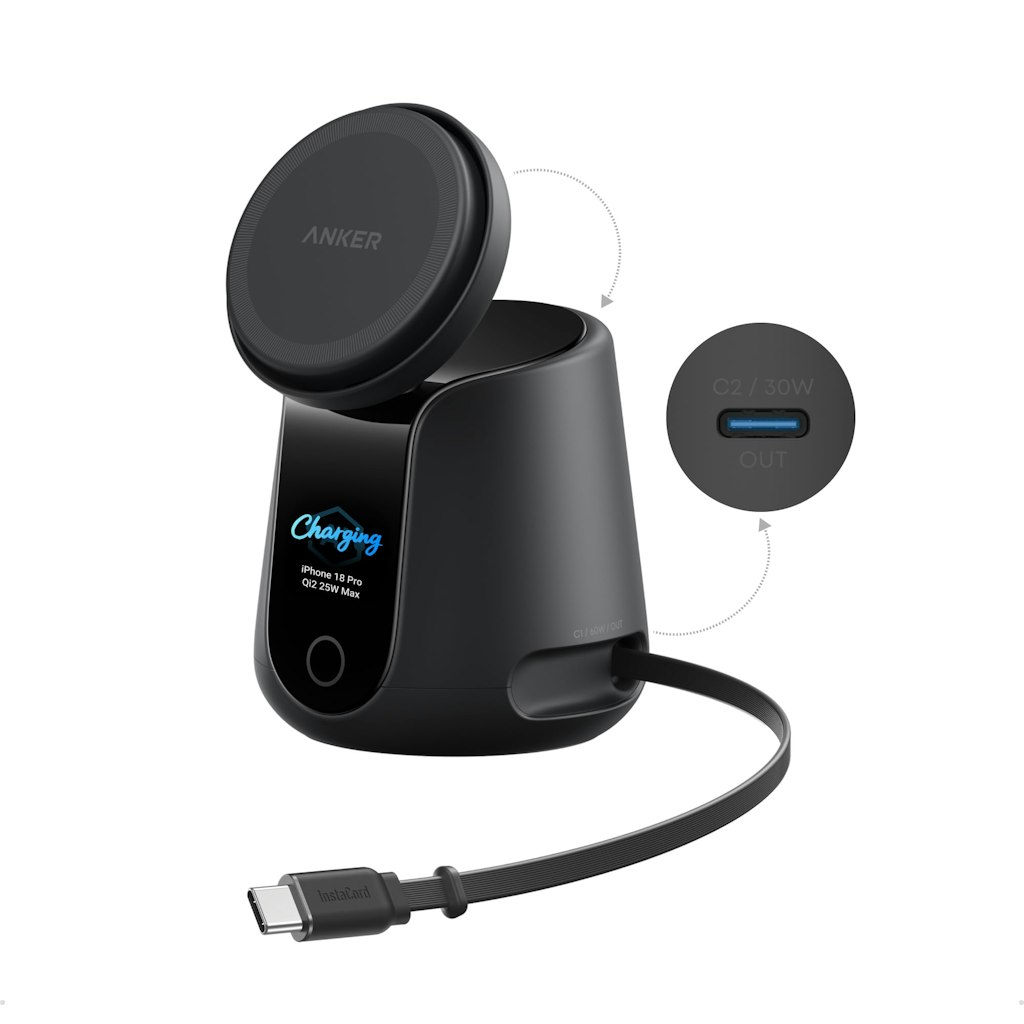
Anker MagStand Qi2 Wireless Charger Hits $90 All-Time Low in Black Friday Sales
Anker's MagStand 25W wireless charging station drops to $90 at Amazon, matching its lowest price ever, while a wave of Black Friday deals covers power banks, travel charg…
 🛍️Sales Events
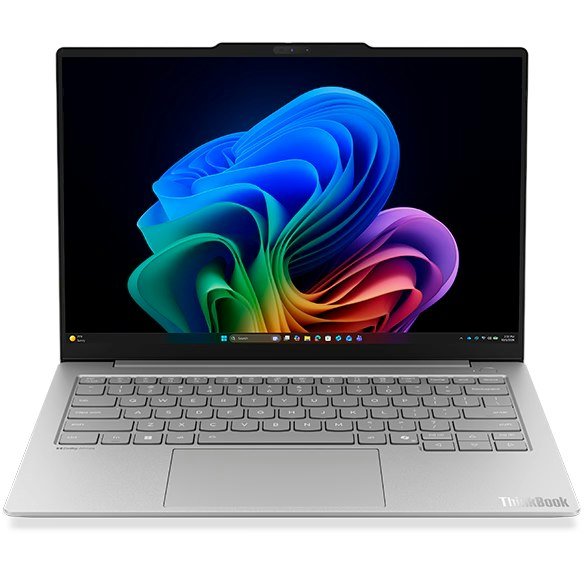
Black Friday Laptop Deals: Lenovo, Best Buy, and Walmart Cut Prices on ThinkBook, Yoga, and Gaming Models
Major retailers have launched Black Friday doorbuster sales on laptops, with Lenovo's ThinkBook 14x dropping to $699 and Best Buy offering a Yoga 7i 2-in-1 for $649.99.
 🧭Buying Guides
Essential Gear for Frequent Travelers: A Gift Guide
Selecting the right travel accessories can significantly reduce the stress of trip planning and packing. This guide highlights functional items designed to streamline the…
 🧭Buying Guides
Essential Guide to Choosing an EPA-Certified Wood Stove
Upgrading to a modern, EPA-certified wood stove can improve home heating efficiency while reducing particulate pollution compared to older, uncertified models.
 🏠Home & Kitchen
Art Leon Mid-Century Modern Swivel Chair Drops to $144
The Art Leon swivel office chair is currently available for $144, offering a blend of home-friendly aesthetics and functional utility.
 👟Fashion & Beauty
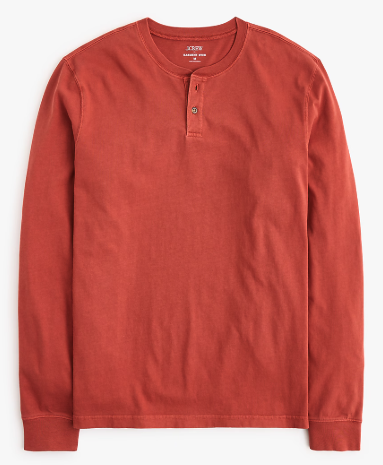
Black Friday Fashion and Travel Savings: J.Crew Factory, Nordstrom Rack, and More
Retailers are rolling out significant pre-Black Friday discounts on apparel and travel gear, featuring clearance markdowns and promotional codes for new customers.